The 5 Cs of Credit and You: How to Open a Business Line of Credit

Are you a business owner considering a business line of credit? Whether you’re looking to start a new venture or fund an established one, it’s essential to understand the five Cs of credit. Knowing what lenders look for in your loan application can help you get the money you need.

In this blog post, we will explain what these five Cs are and how they play a role in obtaining a business line of credit.

What Is a Business Line of Credit?

A business line of credit is a non-traditional loan that enables businesses to access funds whenever and wherever needed. With this type of business loan, your company receives a predetermined line of credit and makes gradual payments over time. This is an excellent alternative to traditional loans, as a company can borrow the exact amount it needs—no more, no less. With a business line of credit, you have the flexibility to pursue core objectives while maintaining a healthy cash flow.

The interest rate and fees a lender charges will depend on your industry, credit score, and other factors, such as your company’s receivables and payables.

How Does a Business Line of Credit Improve Your Cash Flow?

A line of credit works like a business credit card. Interest is charged only on the amount borrowed, which saves companies money because interest accumulates only on what is borrowed. This can be especially helpful for businesses that borrow small amounts from time to time. Businesses have more flexibility regarding repayment terms, allowing them to pay back what they owe according to their schedule.

There’s no time to leap through hoops when you need capital for your business ventures. QualiFi is a straight-shooting financial broker with a simple application process. We deliver products that boost your funds and keep you on track for success. Stop wasting time with bank bureaucrats and predatory online lenders.

What Are the 5 Cs of Credit?

The five Cs of credit—character, capacity, capital, collateral, and personal credit score—are the criteria lenders use to evaluate potential borrowers for a loan. When getting a business line of credit, these five factors are essential. The first three Cs are mostly a holistic assessment of the borrower’s character and experience, while the last two evaluate the borrower’s financial capability to repay the loan.

Here’s a breakdown of each C of credit and how it impacts your eligibility for business credit:

Character

The first C is character. This refers to the borrower’s overall integrity and trustworthiness. Lenders want to know that you have a good history of managing your finances and a responsible attitude toward credit. While this evaluation focuses on your personal character, it also involves an assessment of your financial condition, especially your ability to repay the loan. Your credit history and credit report will be essential tools used by the lender to evaluate you as a borrower.

Capacity

The second C is capacity. This is an assessment of the borrower’s ability to repay the loan. This component looks at both the borrower’s current and future financial position. The lender will want to know you have the income or cash flow to repay the loan without an unmanageable debt burden. The lender will also make sure you have a plan to repay the loan, including how much of your monthly income will go towards it and what additional payments you will make towards the loan principal.

Capital

The third C is capital. This refers to the borrower’s ability to pay down the loan or provide security. A larger down payment can reduce the default risk and guarantee the borrower is investing in the loan. This is one of the ways a lender can evaluate whether you are a reasonable credit risk. A down payment shows you have some skin in the game and can afford to lose money if things don’t work out as planned.

Collateral

The fourth C is collateral. Collateral is any asset the borrower can use to secure the loan, such as real estate, vehicles, and other valuable property. This will often take the form of a security interest, which means the lender can have a lien on the property if you cannot repay the loan. The lender can then repossess and sell the collateral if you default. This helps reduce the risk of default for the lender, as they will have something of value to collect if you can’t repay the amount.

Credit Score

The fifth and final C is your credit score. Your credit score is a numerical representation of your creditworthiness. It’s one of the most critical factors in determining whether you qualify for a business line of credit.

Your credit score can be so crucial that some lenders require you to have it before they even approve you for other factors, such as your cash flow and collateral. Lenders want to know you have a good history of repaying debts, and if you have a low credit score, it can be challenging to get approved. Fortunately, there are some lenders out there that don’t require a credit score or have low minimum requirements.

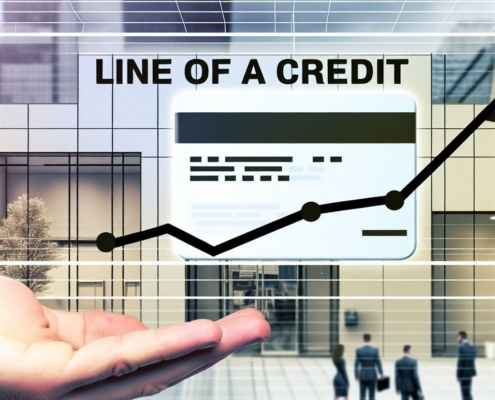
Image of a business person handing out a new credit card.

Using the 5 Cs to Get a Business Line of Credit

Now that you understand the five Cs of credit, you might be wondering how to get a business line of credit. The process of getting a business line of credit can vary depending on the lender, but there are some general steps you should expect.

Start by doing your research and comparing lenders. This will help you find one that best meets your needs and offers the most favorable terms. Once you’ve chosen a lender, you must fill out an application, which will include a detailed description of your business, such as its history and financials.

The lender will then review the application to assess your creditworthiness based on your character, personal credit score, capacity, capital, and collateral. Once the lender has reviewed your application and determined that you meet their requirements, they’ll approve or deny your request for a business line of credit.

Navigate the 5 Cs of Credit With QualiFi

It’s harder than ever for business owners to find banks willing to fund their growth. Strict requirements and involved application processes are barriers to entry many don’t have the patience to deal with. When you need to move quickly on a real estate deal or secure much-needed inventory, there’s no time to waste.

The QualiFi team understands what it means to be a small business in today’s landscape. As experienced brokers, we connect you with the lenders and funds you need to fulfill your goals. Our experts assess you on the 5 Cs of credit to ensure you have everything set for approval.

We support businesses with diverse credit profiles and recommend lines of credit and other loan products with exceptional terms. Ready to secure capital? Reach out to our team today.

How Do I Get a $1 Million+ Business Line of Credit (Without Waiting Months on a Big Bank?)

,
Banks decline growing businesses more often than stable ones. Businesses in debt spirals often have better operations than those that never borrowed. $375M in financing taught us patterns that contradict everything textbooks say.

How Do I Get a Line of Credit for My E-Commerce and Amazon Business: Funding Q4 Inventory While You Wait on Payouts

,
Banks decline growing businesses more often than stable ones. Businesses in debt spirals often have better operations than those that never borrowed. $375M in financing taught us patterns that contradict everything textbooks say.

Should You Use a Line of Credit or Equipment Financing to Buy Equipment? Comparing Rates, Terms, and Monthly Payments

,
Banks decline growing businesses more often than stable ones. Businesses in debt spirals often have better operations than those that never borrowed. $375M in financing taught us patterns that contradict everything textbooks say.
Does Applying for a Business Line of Credit Hurt Your Credit?

Does Applying for a Business Line of Credit Hurt Your Credit? Soft Pulls, Hard Pulls, and What Actually Shows Up

Banks decline growing businesses more often than stable ones. Businesses in debt spirals often have better operations than those that never borrowed. $375M in financing taught us patterns that contradict everything textbooks say.
Rejected Line of Credit. What To Do

My Bank Said No to a Line of Credit. What Should I Do in the Next 7 Days?

,
Banks decline growing businesses more often than stable ones. Businesses in debt spirals often have better operations than those that never borrowed. $375M in financing taught us patterns that contradict everything textbooks say.

How Loan ‘Draws’ Work: Taking Money When You Need It Without Overborrowing

Banks decline growing businesses more often than stable ones. Businesses in debt spirals often have better operations than those that never borrowed. $375M in financing taught us patterns that contradict everything textbooks say.
Does Applying for a Business Line of Credit Hurt Your Credit?

Shorter Term or Lower Payment? The Trade-Off That Changes Your Total Cost

Banks decline growing businesses more often than stable ones. Businesses in debt spirals often have better operations than those that never borrowed. $375M in financing taught us patterns that contradict everything textbooks say.

Bridge Loans Explained: How to Move Fast on Property Before Long-Term Financing Lands

Banks decline growing businesses more often than stable ones. Businesses in debt spirals often have better operations than those that never borrowed. $375M in financing taught us patterns that contradict everything textbooks say.

How to Fund an Add-On Acquisition to Grow Faster Than Your Competitors

Banks decline growing businesses more often than stable ones. Businesses in debt spirals often have better operations than those that never borrowed. $375M in financing taught us patterns that contradict everything textbooks say.