
 https://goqualifi.com/wp-content/uploads/2026/10/7c4ee61b41a394c2443474afc05d97fd.jpg
1024
1024
faras@brandmaximise.com
https://goqualifi.com/wp-content/uploads/2024/01/qualifi-new-logo-300x106.jpg
faras@brandmaximise.com2026-10-23 12:12:352026-10-23 12:12:43How Do I Get a Line of Credit for My E-Commerce and Amazon Business: Funding Q4 Inventory While You Wait on Payouts
https://goqualifi.com/wp-content/uploads/2026/10/7c4ee61b41a394c2443474afc05d97fd.jpg
1024
1024
faras@brandmaximise.com
https://goqualifi.com/wp-content/uploads/2024/01/qualifi-new-logo-300x106.jpg
faras@brandmaximise.com2026-10-23 12:12:352026-10-23 12:12:43How Do I Get a Line of Credit for My E-Commerce and Amazon Business: Funding Q4 Inventory While You Wait on PayoutsA year ago, your credit wasn’t great, and the loan you took reflected it.
You needed capital, your score wasn’t where you wanted it, so you accepted a higher rate and a shorter term to get funded. It got the job done. You kept the business moving.
But that was then. Since then, you’ve paid down debt, cleaned things up, and your credit score has climbed. The problem is, you’re still paying on that old loan at the old, expensive rate.
Here’s what a lot of owners never realize: when your credit improves, you don’t have to keep paying the rate you locked in when it was low. You can refinance into something much better.
Let’s walk through how to lock a better rate once your credit has improved, and why it’s one of the smartest money moves you can make.
Why a better credit score unlocks a better rate
Your credit score is one of the biggest things a lender uses to decide your rate. So when your score goes up, the whole equation changes in your favor.
When your credit was low, lenders saw more risk, so they charged more and gave you a shorter term to limit their exposure. That’s why the loan you got then was expensive. It matched the risk they saw at the time.
Now that your score is higher, you look like a safer bet. And a safer borrower earns a lower rate, a longer term, and better overall terms. The exact same business, viewed with a stronger credit profile, qualifies for money that costs far less.
That gap between your old rate and what you could get now is real money, and refinancing is how you capture it. You’re not stuck with the terms your past self had to accept.
How much your score can actually move
Here’s the encouraging part. Credit scores can climb faster than most people think, especially when the thing dragging yours down was credit card debt.
The single biggest factor pulling many scores down is credit card utilization, how much of your available limit you’re using. When your cards are sitting at 50% or more of their limits and you pay them down below 25%, scores have been seen to jump 50 to 100 points, sometimes within about a month.
That’s not a small move. A 50-to-100-point jump can take you from a high-risk rate to a genuinely good one. It can be the difference between the expensive loan you have now and a far cheaper one.
So if your score has climbed since you last borrowed, whether from paying down cards, clearing old debts, or just time and good habits, that improvement is worth real money the moment you use it to refinance.
The move: pay down, wait, then refinance into better terms

Here’s how this plays out in practice, and it’s a proven path. Many owners use their current financing to improve their credit, then refinance into something much better once the score reflects it.
The sequence works like this. If you have capital, or you secure some, you use part of it to pay down the credit card balances and debts that are weighing your score down. Then you wait about a month for the credit bureaus to reflect those paid-down balances and your new, higher score.
With that improved score, you reapply and refinance your original expensive loan into one with a much better interest rate and a longer term. You essentially use the first step to earn your way into the better one.
This is a real strategy, not wishful thinking. Pay down the balances, let the score recover, then consolidate or refinance the old debt at the better rate your improved credit now qualifies for. The result is lower payments and thousands saved over the life of the loan.
One application, multiple lenders lined up for you. Funding in 48 hours.
Why now is often a good time to refinance
Beyond your own improved credit, there’s a market reason refinancing can pay off right now. The lending world is competitive, and competition works in your favor.
There are constantly new lenders and new products flooding the alternative financing space, and they’re all competing for the same borrowers. To win business, lenders keep lowering their rates to match each other and stretching their terms out an extra year to beat the next lender.
That competition means that even beyond your credit improvement, the rates and terms available today may simply be better than what you locked in a year or two ago. When your stronger credit meets a more competitive market, the savings can be significant.
So if your credit has improved and you’re carrying an older, pricier loan, it’s worth checking what’s available now. The combination of a better score and a hungrier market is exactly when refinancing tends to pay off most.
Don’t just refinance, look at your whole debt picture
Here’s a smarter way to think about it than a simple one-for-one refinance. When your credit improves, it’s the perfect moment to look at all your debt and see what can be consolidated and improved together.
Rather than just swapping one loan for a slightly cheaper one, a stronger credit profile might let you roll several expensive positions into a single, better loan. If you’re profitable, that could be a term loan over five to seven years that pays off all your short-term debt at once. If you have assets like home equity, real estate, or receivables, those can anchor an even better consolidation.
The goal is to graduate to a better tier of financing. Your improved credit is the key that unlocks that tier, so use it to clean up your whole debt situation, not just one loan.
And here’s a bonus: refinancing to pay off high credit card balances lowers your utilization further, which can push your score even higher. Done right, one smart refinance can lower your payments and strengthen your credit at the same time.
Make the most of your improved credit
A few things help you capture the full benefit when you go to refinance.
Know your current score before you apply, so you understand the position you’re negotiating from. If it’s climbed meaningfully since you last borrowed, that’s your leverage.
Keep protecting your credit through the process. Keep those card balances low and your payments current, so your score stays strong while you refinance.
And don’t shop one lender at a time. Let multiple lenders compete for your improved-credit file so the genuinely best rate surfaces. When your profile is stronger, more lenders want your business, and that competition drives your rate down further.
If you took a loan when your credit was weaker and you’ve since improved, the worst thing you can do is nothing, quietly paying an expensive rate you no longer have to pay.

Your better credit is an asset. Put it to work.
Turn your better credit into a lower rate
Improving your credit is hard-won progress, and it should pay off in your financing, not just sit unused while you keep paying old, expensive rates. When your score climbs, you’ve earned the right to better terms, and refinancing is how you claim them.
Pay down what’s dragging your score down, let it recover, and refinance your expensive debt into something that costs far less. Look at your whole debt picture, not just one loan, and use your stronger profile to graduate into a better tier. Let lenders compete for your improved file, and lock in the lower rate your progress deserves.
Since 2022, QualiFi has facilitated over $355 million in financing across a network of 75+ lenders, and this is exactly the kind of thing we do every day, helping owners use improved credit to refinance and consolidate expensive debt into lower rates and better terms. When clients come back to us, we reevaluate the whole picture as if it were a brand-new loan, because things may have improved, and there may be far better options available now. Funding runs from $5,000 to $75 million across all credit profiles, with a clear road map if your score needs a little more work first.
Your improved credit is worth real money. Don’t leave it sitting in an old, expensive loan. Refinance, lock the better rate, and let your progress finally pay you back.
BORROW | BUILD | BELIEVE
Asset backed accounts receivable credit facilities up to $20 mil+
UP TO $5 MILLION, NON COLLATERALIZED SUBORDINATED CAPITAL | WITHIN 7 DAYS:
UP TO $5 MILLION, NON COLLATERALIZED SUBORDINATED CAPITAL | WITHIN 7 DAYS:
UP TO $5 MILLION, NON COLLATERALIZED SUBORDINATED CAPITAL | WITHIN 7 DAYS: GET FINANCING IN 3 STEPS
https://goqualifi.com/wp-content/uploads/2026/10/7c4ee61b41a394c2443474afc05d97fd.jpg
1024
1024
faras@brandmaximise.com
https://goqualifi.com/wp-content/uploads/2024/01/qualifi-new-logo-300x106.jpg
faras@brandmaximise.com2026-10-23 12:12:352026-10-23 12:12:43How Do I Get a Line of Credit for My E-Commerce and Amazon Business: Funding Q4 Inventory While You Wait on Payouts https://goqualifi.com/wp-content/uploads/2026/10/3ef68a3ad3a4e493aaba4d7c7ae6a911.jpg
342
342
faras@brandmaximise.com
https://goqualifi.com/wp-content/uploads/2024/01/qualifi-new-logo-300x106.jpg
faras@brandmaximise.com2026-10-22 10:00:002026-10-21 23:31:07Should You Use a Line of Credit or Equipment Financing to Buy Equipment? Comparing Rates, Terms, and Monthly Payments
https://goqualifi.com/wp-content/uploads/2026/10/3ef68a3ad3a4e493aaba4d7c7ae6a911.jpg
342
342
faras@brandmaximise.com
https://goqualifi.com/wp-content/uploads/2024/01/qualifi-new-logo-300x106.jpg
faras@brandmaximise.com2026-10-22 10:00:002026-10-21 23:31:07Should You Use a Line of Credit or Equipment Financing to Buy Equipment? Comparing Rates, Terms, and Monthly Payments https://goqualifi.com/wp-content/uploads/2026/09/c28f34e152f17d315201aa9b04fb665c.jpg
500
750
faras@brandmaximise.com
https://goqualifi.com/wp-content/uploads/2024/01/qualifi-new-logo-300x106.jpg
faras@brandmaximise.com2026-10-03 17:29:152026-10-03 17:29:16Does Applying for a Business Line of Credit Hurt Your Credit? Soft Pulls, Hard Pulls, and What Actually Shows Up
https://goqualifi.com/wp-content/uploads/2026/09/c28f34e152f17d315201aa9b04fb665c.jpg
500
750
faras@brandmaximise.com
https://goqualifi.com/wp-content/uploads/2024/01/qualifi-new-logo-300x106.jpg
faras@brandmaximise.com2026-10-03 17:29:152026-10-03 17:29:16Does Applying for a Business Line of Credit Hurt Your Credit? Soft Pulls, Hard Pulls, and What Actually Shows Up https://goqualifi.com/wp-content/uploads/2026/09/28d312056197abb6c28c49748cce1bbe-1200x423-1.jpg
423
1200
faras@brandmaximise.com
https://goqualifi.com/wp-content/uploads/2024/01/qualifi-new-logo-300x106.jpg
faras@brandmaximise.com2026-09-25 15:01:472026-10-06 16:42:14My Bank Said No to a Line of Credit. What Should I Do in the Next 7 Days?
https://goqualifi.com/wp-content/uploads/2026/09/28d312056197abb6c28c49748cce1bbe-1200x423-1.jpg
423
1200
faras@brandmaximise.com
https://goqualifi.com/wp-content/uploads/2024/01/qualifi-new-logo-300x106.jpg
faras@brandmaximise.com2026-09-25 15:01:472026-10-06 16:42:14My Bank Said No to a Line of Credit. What Should I Do in the Next 7 Days? https://goqualifi.com/wp-content/uploads/2026/09/18587fe8fd4d6d4d3185c96097dfb943-1.jpg
552
736
faras@brandmaximise.com
https://goqualifi.com/wp-content/uploads/2024/01/qualifi-new-logo-300x106.jpg
faras@brandmaximise.com2026-09-18 10:00:002026-09-18 01:08:22How Loan ‘Draws’ Work: Taking Money When You Need It Without Overborrowing
https://goqualifi.com/wp-content/uploads/2026/09/c28f34e152f17d315201aa9b04fb665c.jpg
500
750
faras@brandmaximise.com
https://goqualifi.com/wp-content/uploads/2024/01/qualifi-new-logo-300x106.jpg
faras@brandmaximise.com2026-09-18 08:00:002026-09-18 00:52:50Shorter Term or Lower Payment? The Trade-Off That Changes Your Total Cost
https://goqualifi.com/wp-content/uploads/2026/09/18587fe8fd4d6d4d3185c96097dfb943-1.jpg
552
736
faras@brandmaximise.com
https://goqualifi.com/wp-content/uploads/2024/01/qualifi-new-logo-300x106.jpg
faras@brandmaximise.com2026-09-18 10:00:002026-09-18 01:08:22How Loan ‘Draws’ Work: Taking Money When You Need It Without Overborrowing
https://goqualifi.com/wp-content/uploads/2026/09/c28f34e152f17d315201aa9b04fb665c.jpg
500
750
faras@brandmaximise.com
https://goqualifi.com/wp-content/uploads/2024/01/qualifi-new-logo-300x106.jpg
faras@brandmaximise.com2026-09-18 08:00:002026-09-18 00:52:50Shorter Term or Lower Payment? The Trade-Off That Changes Your Total Cost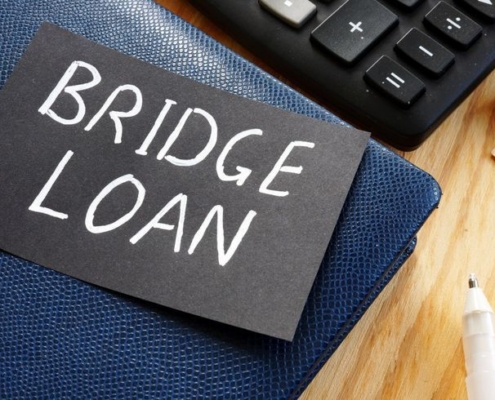 https://goqualifi.com/wp-content/uploads/2026/09/ea16f862846dc63db3f466a30911bf7c.jpg
490
735
faras@brandmaximise.com
https://goqualifi.com/wp-content/uploads/2024/01/qualifi-new-logo-300x106.jpg
faras@brandmaximise.com2026-09-16 12:56:322026-09-16 12:56:38Bridge Loans Explained: How to Move Fast on Property Before Long-Term Financing Lands
https://goqualifi.com/wp-content/uploads/2026/09/ea16f862846dc63db3f466a30911bf7c.jpg
490
735
faras@brandmaximise.com
https://goqualifi.com/wp-content/uploads/2024/01/qualifi-new-logo-300x106.jpg
faras@brandmaximise.com2026-09-16 12:56:322026-09-16 12:56:38Bridge Loans Explained: How to Move Fast on Property Before Long-Term Financing Lands https://goqualifi.com/wp-content/uploads/2026/09/c451fc00b2abde8459d96285268b018d.jpg
667
1000
faras@brandmaximise.com
https://goqualifi.com/wp-content/uploads/2024/01/qualifi-new-logo-300x106.jpg
faras@brandmaximise.com2026-09-16 12:35:222026-09-16 12:35:28How to Fund an Add-On Acquisition to Grow Faster Than Your Competitors
https://goqualifi.com/wp-content/uploads/2026/09/c451fc00b2abde8459d96285268b018d.jpg
667
1000
faras@brandmaximise.com
https://goqualifi.com/wp-content/uploads/2024/01/qualifi-new-logo-300x106.jpg
faras@brandmaximise.com2026-09-16 12:35:222026-09-16 12:35:28How to Fund an Add-On Acquisition to Grow Faster Than Your Competitors https://goqualifi.com/wp-content/uploads/2026/09/657dc1573177b0b57bab71d06db495d3.jpg
630
945
faras@brandmaximise.com
https://goqualifi.com/wp-content/uploads/2024/01/qualifi-new-logo-300x106.jpg
faras@brandmaximise.com2026-09-11 10:00:002026-09-11 05:00:13How to Trust a Lender Again After a Bad Experience
https://goqualifi.com/wp-content/uploads/2026/09/657dc1573177b0b57bab71d06db495d3.jpg
630
945
faras@brandmaximise.com
https://goqualifi.com/wp-content/uploads/2024/01/qualifi-new-logo-300x106.jpg
faras@brandmaximise.com2026-09-11 10:00:002026-09-11 05:00:13How to Trust a Lender Again After a Bad Experience