
 https://goqualifi.com/wp-content/uploads/2026/09/c28f34e152f17d315201aa9b04fb665c.jpg
500
750
faras@brandmaximise.com
https://goqualifi.com/wp-content/uploads/2024/01/qualifi-new-logo-300x106.jpg
faras@brandmaximise.com2026-10-03 17:29:152026-10-03 17:29:16Does Applying for a Business Line of Credit Hurt Your Credit? Soft Pulls, Hard Pulls, and What Actually Shows Up
https://goqualifi.com/wp-content/uploads/2026/09/c28f34e152f17d315201aa9b04fb665c.jpg
500
750
faras@brandmaximise.com
https://goqualifi.com/wp-content/uploads/2024/01/qualifi-new-logo-300x106.jpg
faras@brandmaximise.com2026-10-03 17:29:152026-10-03 17:29:16Does Applying for a Business Line of Credit Hurt Your Credit? Soft Pulls, Hard Pulls, and What Actually Shows UpYou got approved for a $250,000 line of credit, and your first instinct is to grab all of it.
It’s sitting right there. Available. And after all the effort of getting approved, taking the full amount feels like the natural thing to do. Lock it in, put it in the bank, feel secure.
But that instinct can quietly cost you. A line of credit isn’t meant to be drained all at once like a lump-sum loan. It works on “draws,” and used the right way, draws let you take exactly what you need, when you need it, and pay for nothing more.
Let’s break down how loan draws actually work, and how to use them to fund your business without overborrowing and paying interest you don’t need to.
What a draw actually is
Let’s start with the basics, because this is where a line of credit is different from a regular loan.
With a normal term loan, you take all the money up front in one lump sum, and you start paying interest on the entire amount from day one, whether you use it or not. A line of credit doesn’t work that way.
A line of credit gives you an approved limit, a pool of money you can access. A “draw” is when you actually pull some of that money out to use. You don’t have to take the whole limit. You take a draw for the amount you need right now, and the rest of your limit just stays available, waiting, costing you nothing until you draw on it.
So if you’re approved for $250,000, you might draw $30,000 this month for one need, leave the other $220,000 untouched, and only pay for the $30,000 you actually took. That’s the core idea, and it’s what makes a line so flexible.
The magic rule: you only pay for what you use

Here’s the single most important thing to understand about draws, and it’s what protects you from overborrowing. You only pay interest on what you draw, for exactly as long as you have it out.
Say you draw $30,000 and pay it back in two months. You only pay two months of interest on that $30,000. Not on your full limit, just on what you took, and only for the time you had it. Pay a draw down to zero, and it costs you nothing. There are no maintenance fees for simply having the line, and you’re not charged interest while the balance sits at zero.
Compare that to taking a big lump-sum loan you don’t fully need. There, you’d be paying interest on the whole amount the entire time, even the part just sitting in your account doing nothing. With draws, that waste disappears. You pay for the money that’s actually working for you, and nothing else.
This is exactly why draws prevent overborrowing. You never have to take more than you need “just in case,” because the rest of your limit is always there to draw on later if you do need it.
How a draw gets paid back
A common question is what happens after you take a draw. Here’s how repayment works on most of these lines.
When you take a draw, it gets set up on a term, and you make regular payments that chip away at both the principal and the interest. For stronger borrowers, these terms often run anywhere from six months up to about three years, depending on your profile. So a draw you take today gets paid off steadily over that term.
But here’s the flexible part: you can pay it off early, anytime, without penalty. If you take a draw and your cash flow lets you clear it in a month, you pay it off and you’ve only paid a month of interest. There’s no penalty for paying it down fast, unlike many term loans that lock you into paying the interest no matter what.
And because it’s revolving, as you pay a draw back down, that money becomes available to draw again. Pay down what you borrowed, and your available credit refills, ready for the next need. The line keeps working for you cycle after cycle.
One application, multiple lenders lined up for you. Funding in 48 hours.
Using draws the smart way: take what you need, when you need it
Now the practical part, how to actually use draws to fund your business without overborrowing. It comes down to matching each draw to a real, specific need.
Have a specific purpose for each draw. Instead of grabbing a big chunk “to have it,” draw for a defined need: this month’s payroll gap, a specific inventory order, a marketing push you’re ready to run. When each draw has a job, you naturally avoid taking more than you need.
Draw in waves as needs arise. If you’re growing in stages, you don’t have to fund it all at once. Draw for the first move, put it to work, and draw again when the next need comes. Your costs come in step with your actual spending, not ahead of it.
Pay down when you can, to save on interest and refill your available credit. When revenue comes in, pay your draws down. You lower your interest cost and restore your available credit for the next opportunity, all at once.
Used this way, a line of credit becomes a precise tool. You’re never paying for idle money, and you always have capital ready for what’s next. That’s the opposite of overborrowing.

Why this beats grabbing a lump sum
It’s worth being clear on why draws are so much better than taking a big loan you don’t fully need, because a lot of owners default to the lump sum out of habit.
When you take a lump-sum loan, you’re committing to interest on the entire amount for the entire term. If you only needed part of it, or only needed it for a couple of months, you’re stuck paying for money you didn’t use and time you didn’t need. Some term loans even penalize you for paying off early, so you can’t easily escape that cost.
Draws flip all of that. You take only what you need, pay interest only while you have it out, and pay off early with no penalty whenever you want. The flexibility means you match your borrowing precisely to your business, instead of guessing at a big number up front and overpaying for the excess.
This flexibility is a big reason lines of credit have become so popular. Business owners love borrowing exactly when they need to, paying interest only for that time, and keeping the rest available and cost-free until the next need.
When you might still want a lump sum
To be fair, draws aren’t always the answer. Sometimes a lump-sum loan is the better fit, and it’s worth knowing when.
If you have a single, large, one-time need, buying a specific piece of equipment, funding a big one-time project, an acquisition, a lump-sum term loan or a dedicated financing product often makes more sense. You need all the money at once for one purpose, so drawing in pieces doesn’t help.
For a big long-term investment where you want a low, fixed monthly payment stretched over years, a term loan or SBA loan can also be the right call. The point isn’t that draws are always best, it’s that they’re ideal when your needs are ongoing, variable, or spread out over time.
The smartest approach is to match the tool to the need. Ongoing or unpredictable needs point to a line of credit with draws. A single big lump-sum need points to a term loan. A good financing partner helps you figure out which fits, and sometimes the answer is both: a term loan for the big purchase and a line of credit for day-to-day flexibility.
Take exactly what you need, and nothing more
A line of credit with draws is one of the most flexible, cost-efficient tools a business can have, but only if you use it right. The whole advantage lies in not grabbing the full amount out of habit. Take a draw for what you actually need, pay interest only on that, pay it down when you can, and let the rest of your limit stay available and free until the next need arises.
Done that way, you never overborrow, you never pay for idle money, and you always have capital ready for what’s next. That’s the difference between a line of credit that quietly costs you and one that works exactly the way it should.
Since 2022, QualiFi has facilitated over $355 million in financing across a network of 75+ lenders, and flexible lines of credit, where you draw what you need and only pay for what you use, are one of our most popular products for exactly this reason. Whether a draw-as-you-go line or a lump-sum term loan fits your situation better, we lay out both so you choose what’s best. Funding runs from $5,000 to $75 million across all credit profiles, in all 50 states plus Canada and Puerto Rico.
The money’s there when you need it. The skill is taking only what you need, when you need it. Master your draws, and your line of credit becomes a precise, powerful tool instead of a temptation to overborrow.
BORROW | BUILD | BELIEVE
Asset backed accounts receivable credit facilities up to $20 mil+
UP TO $5 MILLION, NON COLLATERALIZED SUBORDINATED CAPITAL | WITHIN 7 DAYS:
UP TO $5 MILLION, NON COLLATERALIZED SUBORDINATED CAPITAL | WITHIN 7 DAYS:
UP TO $5 MILLION, NON COLLATERALIZED SUBORDINATED CAPITAL | WITHIN 7 DAYS: GET FINANCING IN 3 STEPS
https://goqualifi.com/wp-content/uploads/2026/09/c28f34e152f17d315201aa9b04fb665c.jpg
500
750
faras@brandmaximise.com
https://goqualifi.com/wp-content/uploads/2024/01/qualifi-new-logo-300x106.jpg
faras@brandmaximise.com2026-10-03 17:29:152026-10-03 17:29:16Does Applying for a Business Line of Credit Hurt Your Credit? Soft Pulls, Hard Pulls, and What Actually Shows Up https://goqualifi.com/wp-content/uploads/2026/09/28d312056197abb6c28c49748cce1bbe-1200x423-1.jpg
423
1200
faras@brandmaximise.com
https://goqualifi.com/wp-content/uploads/2024/01/qualifi-new-logo-300x106.jpg
faras@brandmaximise.com2026-09-25 15:01:472026-10-06 16:42:14My Bank Said No to a Line of Credit. What Should I Do in the Next 7 Days?
https://goqualifi.com/wp-content/uploads/2026/09/28d312056197abb6c28c49748cce1bbe-1200x423-1.jpg
423
1200
faras@brandmaximise.com
https://goqualifi.com/wp-content/uploads/2024/01/qualifi-new-logo-300x106.jpg
faras@brandmaximise.com2026-09-25 15:01:472026-10-06 16:42:14My Bank Said No to a Line of Credit. What Should I Do in the Next 7 Days?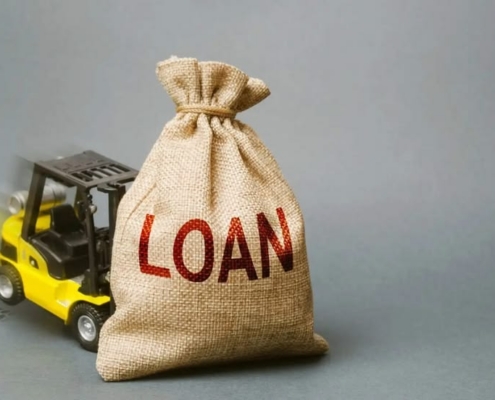 https://goqualifi.com/wp-content/uploads/2026/09/18587fe8fd4d6d4d3185c96097dfb943-1.jpg
552
736
faras@brandmaximise.com
https://goqualifi.com/wp-content/uploads/2024/01/qualifi-new-logo-300x106.jpg
faras@brandmaximise.com2026-09-18 10:00:002026-09-18 01:08:22How Loan ‘Draws’ Work: Taking Money When You Need It Without Overborrowing
https://goqualifi.com/wp-content/uploads/2026/09/c28f34e152f17d315201aa9b04fb665c.jpg
500
750
faras@brandmaximise.com
https://goqualifi.com/wp-content/uploads/2024/01/qualifi-new-logo-300x106.jpg
faras@brandmaximise.com2026-09-18 08:00:002026-09-18 00:52:50Shorter Term or Lower Payment? The Trade-Off That Changes Your Total Cost
https://goqualifi.com/wp-content/uploads/2026/09/18587fe8fd4d6d4d3185c96097dfb943-1.jpg
552
736
faras@brandmaximise.com
https://goqualifi.com/wp-content/uploads/2024/01/qualifi-new-logo-300x106.jpg
faras@brandmaximise.com2026-09-18 10:00:002026-09-18 01:08:22How Loan ‘Draws’ Work: Taking Money When You Need It Without Overborrowing
https://goqualifi.com/wp-content/uploads/2026/09/c28f34e152f17d315201aa9b04fb665c.jpg
500
750
faras@brandmaximise.com
https://goqualifi.com/wp-content/uploads/2024/01/qualifi-new-logo-300x106.jpg
faras@brandmaximise.com2026-09-18 08:00:002026-09-18 00:52:50Shorter Term or Lower Payment? The Trade-Off That Changes Your Total Cost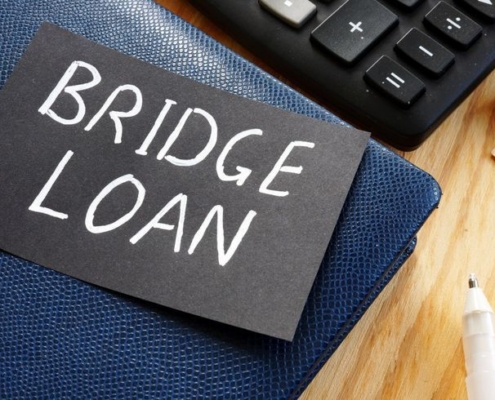 https://goqualifi.com/wp-content/uploads/2026/09/ea16f862846dc63db3f466a30911bf7c.jpg
490
735
faras@brandmaximise.com
https://goqualifi.com/wp-content/uploads/2024/01/qualifi-new-logo-300x106.jpg
faras@brandmaximise.com2026-09-16 12:56:322026-09-16 12:56:38Bridge Loans Explained: How to Move Fast on Property Before Long-Term Financing Lands
https://goqualifi.com/wp-content/uploads/2026/09/ea16f862846dc63db3f466a30911bf7c.jpg
490
735
faras@brandmaximise.com
https://goqualifi.com/wp-content/uploads/2024/01/qualifi-new-logo-300x106.jpg
faras@brandmaximise.com2026-09-16 12:56:322026-09-16 12:56:38Bridge Loans Explained: How to Move Fast on Property Before Long-Term Financing Lands https://goqualifi.com/wp-content/uploads/2026/09/c451fc00b2abde8459d96285268b018d.jpg
667
1000
faras@brandmaximise.com
https://goqualifi.com/wp-content/uploads/2024/01/qualifi-new-logo-300x106.jpg
faras@brandmaximise.com2026-09-16 12:35:222026-09-16 12:35:28How to Fund an Add-On Acquisition to Grow Faster Than Your Competitors
https://goqualifi.com/wp-content/uploads/2026/09/c451fc00b2abde8459d96285268b018d.jpg
667
1000
faras@brandmaximise.com
https://goqualifi.com/wp-content/uploads/2024/01/qualifi-new-logo-300x106.jpg
faras@brandmaximise.com2026-09-16 12:35:222026-09-16 12:35:28How to Fund an Add-On Acquisition to Grow Faster Than Your Competitors https://goqualifi.com/wp-content/uploads/2026/09/657dc1573177b0b57bab71d06db495d3.jpg
630
945
faras@brandmaximise.com
https://goqualifi.com/wp-content/uploads/2024/01/qualifi-new-logo-300x106.jpg
faras@brandmaximise.com2026-09-11 10:00:002026-09-11 05:00:13How to Trust a Lender Again After a Bad Experience
https://goqualifi.com/wp-content/uploads/2026/09/657dc1573177b0b57bab71d06db495d3.jpg
630
945
faras@brandmaximise.com
https://goqualifi.com/wp-content/uploads/2024/01/qualifi-new-logo-300x106.jpg
faras@brandmaximise.com2026-09-11 10:00:002026-09-11 05:00:13How to Trust a Lender Again After a Bad Experience https://goqualifi.com/wp-content/uploads/2026/09/b382cd642c50dc4a87a0b28bdb328bfd.jpg
675
1013
faras@brandmaximise.com
https://goqualifi.com/wp-content/uploads/2024/01/qualifi-new-logo-300x106.jpg
faras@brandmaximise.com2026-09-11 08:00:002026-09-11 04:49:47How to Tighten Your Payment Terms Without Losing Customers
https://goqualifi.com/wp-content/uploads/2026/09/b382cd642c50dc4a87a0b28bdb328bfd.jpg
675
1013
faras@brandmaximise.com
https://goqualifi.com/wp-content/uploads/2024/01/qualifi-new-logo-300x106.jpg
faras@brandmaximise.com2026-09-11 08:00:002026-09-11 04:49:47How to Tighten Your Payment Terms Without Losing Customers https://goqualifi.com/wp-content/uploads/2026/09/8acf9b810cce6f7dad3658c9bb296c40.jpg
800
1199
faras@brandmaximise.com
https://goqualifi.com/wp-content/uploads/2024/01/qualifi-new-logo-300x106.jpg
faras@brandmaximise.com2026-09-10 14:06:462026-09-10 14:06:52Should You Consolidate Now or Wait for Rates to Drop? A Framework
https://goqualifi.com/wp-content/uploads/2026/09/8acf9b810cce6f7dad3658c9bb296c40.jpg
800
1199
faras@brandmaximise.com
https://goqualifi.com/wp-content/uploads/2024/01/qualifi-new-logo-300x106.jpg
faras@brandmaximise.com2026-09-10 14:06:462026-09-10 14:06:52Should You Consolidate Now or Wait for Rates to Drop? A Framework