
 https://goqualifi.com/wp-content/uploads/2026/09/18587fe8fd4d6d4d3185c96097dfb943-1.jpg
552
736
faras@brandmaximise.com
https://goqualifi.com/wp-content/uploads/2024/01/qualifi-new-logo-300x106.jpg
faras@brandmaximise.com2026-09-18 10:00:002026-09-18 01:08:22How Loan ‘Draws’ Work: Taking Money When You Need It Without Overborrowing
https://goqualifi.com/wp-content/uploads/2026/09/18587fe8fd4d6d4d3185c96097dfb943-1.jpg
552
736
faras@brandmaximise.com
https://goqualifi.com/wp-content/uploads/2024/01/qualifi-new-logo-300x106.jpg
faras@brandmaximise.com2026-09-18 10:00:002026-09-18 01:08:22How Loan ‘Draws’ Work: Taking Money When You Need It Without OverborrowingThe contractor opened the bank account Tuesday morning. The balance showed red. Again. Payroll processed Friday. Supplier invoices demanded immediate payment. Equipment lease payments auto-drafted next week. The calendar showed thirty days until the next major project payment arrived.
The math wasn’t complicated – more money going out than coming in, with critical obligations due before revenue materialized. The business remained profitable on paper. Projects booked months ahead. Customers satisfied. Yet the immediate reality meant insufficient cash covering next week’s obligations, much less the ones following.
The contractor faced a choice: miss payroll destroying employee trust, delay supplier payments damaging relationships essential to operations, or find capital bridging the thirty-day gap until project payments converted outstanding invoices to available cash.
Cash flow crises don’t announce themselves politely. They arrive suddenly despite underlying business health, triggered by payment timing mismatches, unexpected expenses, or delayed customer payments turning manageable situations into immediate emergencies.
The difference between businesses that survive cash flow crises and those that don’t comes down to recognizing the crisis early and executing structured responses within critical timeframes – turning thirty days from disaster into recovery rather than watching operations collapse while hoping circumstances improve spontaneously.
Week One: Immediate Triage and Assessment
The first seven days determine whether businesses stabilize or spiral further into crisis.
Identify the exact shortfall amount and timeline. Businesses in cash flow crisis often lack precise understanding of how much cash they need and when. The first action requires calculating exact obligations for the next thirty days – payroll amounts and dates, supplier payments and terms, lease obligations, loan payments, utilities, and any other committed expenses. This creates the target number requiring bridge financing.
Determine the root cause. Cash flow problems stem from different sources requiring different solutions. Delayed customer payments suggest AR financing. Rapid growth straining working capital indicates lines of credit. One-time unexpected expenses point toward bridge loans. Seasonal revenue gaps need different structures than permanent working capital shortfalls. Understanding cause determines appropriate remedy.
Assess available assets and financing options. Businesses possess more financing capacity than owners realize during crisis moments. Outstanding invoices from creditworthy customers enable AR financing. Inventory enables inventory lines. Equipment provides collateral for loans. The panic of crisis obscures existing assets convertible to working capital.
Calculate minimum survival requirements. Not every expense requires immediate payment. Some suppliers extend terms when communicated with proactively. Some obligations can delay slightly without catastrophic consequences. Identify the absolute minimum cash required preventing operational collapse, then structure financing covering that threshold rather than attempting to solve every financial challenge simultaneously.
Contact financing resources immediately. Traditional banks require weeks for underwriting. Alternative lenders and specialized financing companies structure capital within days. Time matters more during crisis than marginal rate differences. Businesses waiting for optimal terms often discover optimal becomes irrelevant when operations cease.
Week Two: Capital Deployment and Obligation Management
Days eight through fourteen focus on converting financing approvals to operational stability.
Bridge loans provide immediate liquidity. Short-term bridge financing enables meeting critical obligations while longer-term solutions structure. These loans fund within days rather than weeks, covering payroll, essential supplier payments, and crisis-preventing expenses. The speed matters more than extended terms during emergencies.
Lines of credit address recurring gaps. If cash flow problems stem from regular timing mismatches between revenue and expenses rather than one-time events, lines of credit provide ongoing access. Draw funds when cash flow dips, repay when revenue arrives, maintain perpetual capacity for future needs.
AR financing accelerates invoice conversion. Businesses with substantial outstanding invoices can access immediate capital against those receivables rather than waiting for customer payment terms. This particularly helps businesses extending net-30, net-60, or longer terms to customers while facing immediate obligations.
Prioritize critical obligations strategically. Payroll takes priority – losing employees cripples operations. Essential suppliers enabling continued operations rank next. Obligations with severe immediate consequences precede those with longer grace periods. Strategic sequencing maximizes stabilization from limited capital.

Communicate proactively with stakeholders. Suppliers, landlords, and other creditors respond better to proactive communication than missed payments. Businesses explaining temporary cash flow situations and proposing modified payment schedules often receive accommodation avoiding damage missed payments create.
QualiFi provides emergency bridge financing and lines of credit structuring within days for businesses facing cash flow crises, enabling payroll coverage, supplier payments, and operational stability while underlying situations resolve.
Week Three: Structural Improvements Preventing Recurrence
Days fifteen through twenty-one involve implementing changes preventing future crises.
Establish permanent line of credit access. Even after immediate crisis passes, businesses should maintain available credit lines for future needs. Having capacity before needing it prevents scrambling during next crisis. Lines of credit established during stable periods provide insurance against future timing mismatches.
Implement AR financing for extended terms. If customer payment terms regularly create cash flow strain, AR financing should become ongoing operational component rather than crisis response. Convert this from emergency measure to standard practice, eliminating the crisis entirely.
Negotiate supplier payment terms. Businesses paying suppliers immediately while customers pay on extended terms create artificial cash flow strain. Negotiating net-30 or net-45 supplier terms better aligns payables with receivables, reducing working capital requirements.
Build cash reserves systematically. Businesses operating without cash reserves invite recurring crises. During stable revenue periods, systematically allocate percentages to reserve accounts creating buffers absorbing future shocks.
Review pricing and payment terms. Cash flow problems sometimes signal pricing inadequacy. Businesses underpricing services or extending overly generous payment terms create inherent cash flow challenges. Correcting pricing and terms addresses root causes rather than perpetually managing symptoms.
One application, multiple lenders lined up for you. Funding in 48 hours.
Week Four: Stabilization and Future Planning
The final week focuses on ensuring recovery sticks and future resilience.
Verify all critical obligations current. Confirm payroll processed correctly, essential suppliers paid, and crisis-triggering obligations met. This verification ensures the turnaround actually worked rather than just delayed problems.
Document what caused the crisis. Understanding exactly what triggered negative cash flow – customer payment delays, unexpected expenses, seasonal dips, rapid growth – enables implementing specific preventive measures. Documented analysis prevents similar crises recurring.
Establish early warning indicators. Create systems monitoring cash flow health continuously. Watching accounts receivable aging, cash flow projections, and working capital ratios enables catching problems early rather than discovering crises after they arrive.
Restructure any expensive emergency financing. Crisis financing sometimes carries higher costs than ideal. Once stability returns, explore refinancing expensive emergency loans into longer-term lower-cost structures. The immediate crisis justifies any available financing; post-crisis stability enables optimization.
Build relationships with financing partners. Businesses that wait until crisis to seek financing face worse terms than those with established relationships. Building connections with lenders during stable periods creates better options when challenges arrive.
Common Cash Flow Crisis Triggers
Understanding typical causes enables faster diagnosis and targeted response.
Accounts receivable timing gaps. The most common trigger – businesses pay suppliers promptly while customers pay on extended terms. Net-60 customer terms create sixty-day capital needs businesses often underestimate.
Rapid growth straining working capital. Counterintuitively, success creates cash flow problems. Each new sale requires upfront costs before payment arrives. Fast growth means accelerating cash deployment before accelerating revenue realization.
Seasonal revenue fluctuations. Businesses with concentrated revenue periods must sustain operations during low seasons. The cash flow gap between peak revenue and lean periods strains businesses lacking reserves or seasonal financing.
Large unexpected expenses. Equipment failures, emergency repairs, litigation costs, or other surprise expenses consume available cash immediately. These one-time events create temporary crises in otherwise stable businesses.
Customer payment delays. Even creditworthy customers sometimes pay slowly. When major customers delay payments, businesses structured around expected timing face sudden shortfalls.
Why Traditional Financing Fails During Crises
Banks and conventional lenders can’t address true cash flow emergencies effectively.
Speed requirements exceed traditional timelines. Banks require weeks or months for underwriting. Cash flow crises require days. By the time traditional financing approves, the crisis already caused irreparable damage.
Crisis metrics disqualify traditional financing. Banks evaluating businesses in crisis see deteriorating cash flow, increasing debt ratios, and stressed operations. These crisis symptoms make businesses appear risky exactly when they most need capital.
Traditional structures don’t match crisis needs. Multi-year term loans don’t address thirty-day gaps. Businesses need immediate bridge financing they can repay quickly, not long-term obligations they don’t require once crisis passes.
Alternative lenders specialize in rapid response. Non-bank financing companies structure specifically for time-sensitive situations. Their processes, underwriting speed, and product structures match crisis realities traditional banking doesn’t accommodate.
The Bottom Line on Cash Flow Crisis Recovery
Negative cash flow doesn’t necessarily signal failing businesses – it signals timing mismatches between obligations and revenue requiring immediate bridge capital. Profitable, growing businesses experience cash flow crises perhaps more frequently than struggling ones because growth strains working capital.
The thirty-day window determines outcomes. Businesses recognizing crises immediately and executing structured responses – identifying exact shortfalls, securing appropriate financing within days, prioritizing critical obligations, and implementing preventive measures – emerge stronger than before.
Those hoping circumstances improve spontaneously or waiting for optimal financing terms discover thirty days passes quickly while operations deteriorate. Missed payroll, damaged supplier relationships, and operational disruptions create consequences extending far beyond the immediate crisis.
The difference isn’t between businesses that face cash flow challenges and those that don’t – every business encounters timing mismatches eventually. The difference is between those with plans executing structured recoveries and those reacting chaotically until recovery becomes impossible.
BORROW | BUILD | BELIEVE
Asset backed accounts receivable credit facilities up to $20 mil+
UP TO $5 MILLION, NON COLLATERALIZED SUBORDINATED CAPITAL | WITHIN 7 DAYS:
UP TO $5 MILLION, NON COLLATERALIZED SUBORDINATED CAPITAL | WITHIN 7 DAYS:
UP TO $5 MILLION, NON COLLATERALIZED SUBORDINATED CAPITAL | WITHIN 7 DAYS: GET FINANCING IN 3 STEPS
https://goqualifi.com/wp-content/uploads/2026/09/18587fe8fd4d6d4d3185c96097dfb943-1.jpg
552
736
faras@brandmaximise.com
https://goqualifi.com/wp-content/uploads/2024/01/qualifi-new-logo-300x106.jpg
faras@brandmaximise.com2026-09-18 10:00:002026-09-18 01:08:22How Loan ‘Draws’ Work: Taking Money When You Need It Without Overborrowing https://goqualifi.com/wp-content/uploads/2026/09/c28f34e152f17d315201aa9b04fb665c.jpg
500
750
faras@brandmaximise.com
https://goqualifi.com/wp-content/uploads/2024/01/qualifi-new-logo-300x106.jpg
faras@brandmaximise.com2026-09-18 08:00:002026-09-18 00:52:50Shorter Term or Lower Payment? The Trade-Off That Changes Your Total Cost
https://goqualifi.com/wp-content/uploads/2026/09/c28f34e152f17d315201aa9b04fb665c.jpg
500
750
faras@brandmaximise.com
https://goqualifi.com/wp-content/uploads/2024/01/qualifi-new-logo-300x106.jpg
faras@brandmaximise.com2026-09-18 08:00:002026-09-18 00:52:50Shorter Term or Lower Payment? The Trade-Off That Changes Your Total Cost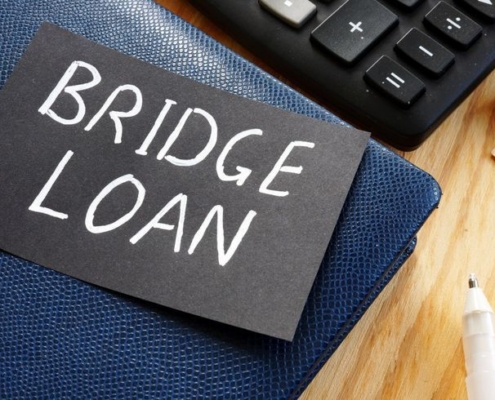 https://goqualifi.com/wp-content/uploads/2026/09/ea16f862846dc63db3f466a30911bf7c.jpg
490
735
faras@brandmaximise.com
https://goqualifi.com/wp-content/uploads/2024/01/qualifi-new-logo-300x106.jpg
faras@brandmaximise.com2026-09-16 12:56:322026-09-16 12:56:38Bridge Loans Explained: How to Move Fast on Property Before Long-Term Financing Lands
https://goqualifi.com/wp-content/uploads/2026/09/ea16f862846dc63db3f466a30911bf7c.jpg
490
735
faras@brandmaximise.com
https://goqualifi.com/wp-content/uploads/2024/01/qualifi-new-logo-300x106.jpg
faras@brandmaximise.com2026-09-16 12:56:322026-09-16 12:56:38Bridge Loans Explained: How to Move Fast on Property Before Long-Term Financing Lands https://goqualifi.com/wp-content/uploads/2026/09/c451fc00b2abde8459d96285268b018d.jpg
667
1000
faras@brandmaximise.com
https://goqualifi.com/wp-content/uploads/2024/01/qualifi-new-logo-300x106.jpg
faras@brandmaximise.com2026-09-16 12:35:222026-09-16 12:35:28How to Fund an Add-On Acquisition to Grow Faster Than Your Competitors
https://goqualifi.com/wp-content/uploads/2026/09/c451fc00b2abde8459d96285268b018d.jpg
667
1000
faras@brandmaximise.com
https://goqualifi.com/wp-content/uploads/2024/01/qualifi-new-logo-300x106.jpg
faras@brandmaximise.com2026-09-16 12:35:222026-09-16 12:35:28How to Fund an Add-On Acquisition to Grow Faster Than Your Competitors https://goqualifi.com/wp-content/uploads/2026/09/657dc1573177b0b57bab71d06db495d3.jpg
630
945
faras@brandmaximise.com
https://goqualifi.com/wp-content/uploads/2024/01/qualifi-new-logo-300x106.jpg
faras@brandmaximise.com2026-09-11 10:00:002026-09-11 05:00:13How to Trust a Lender Again After a Bad Experience
https://goqualifi.com/wp-content/uploads/2026/09/657dc1573177b0b57bab71d06db495d3.jpg
630
945
faras@brandmaximise.com
https://goqualifi.com/wp-content/uploads/2024/01/qualifi-new-logo-300x106.jpg
faras@brandmaximise.com2026-09-11 10:00:002026-09-11 05:00:13How to Trust a Lender Again After a Bad Experience https://goqualifi.com/wp-content/uploads/2026/09/b382cd642c50dc4a87a0b28bdb328bfd.jpg
675
1013
faras@brandmaximise.com
https://goqualifi.com/wp-content/uploads/2024/01/qualifi-new-logo-300x106.jpg
faras@brandmaximise.com2026-09-11 08:00:002026-09-11 04:49:47How to Tighten Your Payment Terms Without Losing Customers
https://goqualifi.com/wp-content/uploads/2026/09/b382cd642c50dc4a87a0b28bdb328bfd.jpg
675
1013
faras@brandmaximise.com
https://goqualifi.com/wp-content/uploads/2024/01/qualifi-new-logo-300x106.jpg
faras@brandmaximise.com2026-09-11 08:00:002026-09-11 04:49:47How to Tighten Your Payment Terms Without Losing Customers https://goqualifi.com/wp-content/uploads/2026/09/8acf9b810cce6f7dad3658c9bb296c40.jpg
800
1199
faras@brandmaximise.com
https://goqualifi.com/wp-content/uploads/2024/01/qualifi-new-logo-300x106.jpg
faras@brandmaximise.com2026-09-10 14:06:462026-09-10 14:06:52Should You Consolidate Now or Wait for Rates to Drop? A Framework
https://goqualifi.com/wp-content/uploads/2026/09/8acf9b810cce6f7dad3658c9bb296c40.jpg
800
1199
faras@brandmaximise.com
https://goqualifi.com/wp-content/uploads/2024/01/qualifi-new-logo-300x106.jpg
faras@brandmaximise.com2026-09-10 14:06:462026-09-10 14:06:52Should You Consolidate Now or Wait for Rates to Drop? A Framework https://goqualifi.com/wp-content/uploads/2026/09/9b872d2bcdca15800bde5bd95a700f5c.jpg
801
1200
faras@brandmaximise.com
https://goqualifi.com/wp-content/uploads/2024/01/qualifi-new-logo-300x106.jpg
faras@brandmaximise.com2026-09-10 13:45:222026-09-10 13:45:29How Lenders Judge a Business You’re Buying (Not Just You as the Buyer)
https://goqualifi.com/wp-content/uploads/2026/09/9b872d2bcdca15800bde5bd95a700f5c.jpg
801
1200
faras@brandmaximise.com
https://goqualifi.com/wp-content/uploads/2024/01/qualifi-new-logo-300x106.jpg
faras@brandmaximise.com2026-09-10 13:45:222026-09-10 13:45:29How Lenders Judge a Business You’re Buying (Not Just You as the Buyer) https://goqualifi.com/wp-content/uploads/2026/09/56f7ca2d525d5e7f6dc15efc34553870.jpg
552
736
faras@brandmaximise.com
https://goqualifi.com/wp-content/uploads/2024/01/qualifi-new-logo-300x106.jpg
faras@brandmaximise.com2026-09-09 14:11:092026-09-09 14:11:14Origination Fees, Points, and ‘Buy Rates’: What Actually Comes Out of Your Loan
https://goqualifi.com/wp-content/uploads/2026/09/56f7ca2d525d5e7f6dc15efc34553870.jpg
552
736
faras@brandmaximise.com
https://goqualifi.com/wp-content/uploads/2024/01/qualifi-new-logo-300x106.jpg
faras@brandmaximise.com2026-09-09 14:11:092026-09-09 14:11:14Origination Fees, Points, and ‘Buy Rates’: What Actually Comes Out of Your Loan