
 https://goqualifi.com/wp-content/uploads/2026/08/43c1bf14e8d9be9ce3a8674cfab34cb3.jpg
427
640
faras@brandmaximise.com
https://goqualifi.com/wp-content/uploads/2024/01/qualifi-new-logo-300x106.jpg
faras@brandmaximise.com2026-08-24 10:00:002026-08-24 03:48:34How Much Could Debt Consolidation Save You? The Numbers Owners Should Run First
https://goqualifi.com/wp-content/uploads/2026/08/43c1bf14e8d9be9ce3a8674cfab34cb3.jpg
427
640
faras@brandmaximise.com
https://goqualifi.com/wp-content/uploads/2024/01/qualifi-new-logo-300x106.jpg
faras@brandmaximise.com2026-08-24 10:00:002026-08-24 03:48:34How Much Could Debt Consolidation Save You? The Numbers Owners Should Run FirstThe approval felt like the finish line. After weeks of searching, the offer was finally on the table, and the owner’s eyes went straight to the one number that seemed to matter: the monthly payment. It looked manageable. The pen was practically in hand.
What the owner hadn’t asked was almost everything else. What would the loan cost in total, not just per month? What fees were buried in the agreement? Was there a penalty for paying it off early? What was being pledged as collateral, and what would happen if a payment was missed? The monthly number answered none of those questions – and those were the ones that would actually determine whether this was a good deal or a costly mistake.
Getting approved is never the finish line. Understanding what you’re signing is.
Before signing any business loan, a handful of direct questions can reveal whether an offer is genuinely fair or quietly hiding costs in the fine print. Asking them isn’t rude or distrustful – it’s exactly what a careful business owner should do, and a reputable lender will welcome every one. Here are the questions that matter most.
What Will This Actually Cost Me in Total?

The most important question – and the one most often skipped – is also the simplest: what is the total cost of this loan, not just the monthly payment?
A low monthly payment can feel reassuring while quietly masking a high total cost. The number that truly matters is the total payback: how much the business will repay over the full life of the loan if held to term, and how much of that is interest and fees stacked on top of the amount borrowed. A good lender should break this down in plain dollars – borrow this much, repay this much, with the difference being the real cost of the capital.
Owners should insist on that dollar-for-dollar clarity rather than fixating on the monthly figure or a headline rate. Two loans with nearly identical monthly payments can carry wildly different total costs depending on their term and structure. Knowing the real, all-in number is the foundation for every other judgment about whether a loan is worth signing.
Is the Rate Fixed or Variable – and Is It APR or Simple Interest?
Once the total cost is clear, the next questions are about the rate itself, where a great deal of confusion tends to live.
First: is the rate fixed or variable? A fixed rate never changes after approval, keeping payments predictable and easy to budget. A variable rate can move over time – and in some cases can even shift based on factors like the borrower’s credit – so it’s essential to ask what could cause it to change and how high it might climb. An unwelcome surprise on a variable loan is among the more common financing regrets.
Second: is the number being quoted an APR or a simple interest rate? This distinction trips up even experienced owners. A simple interest rate reflects only the interest, while APR folds in fees and payment frequency, which typically makes it higher. Comparing a simple rate from one lender against an APR from another is comparing apples to oranges. Always confirm which is which, so the comparison is honest.
What Are All the Fees?
A loan’s headline rate rarely tells the whole story, because fees can add meaningfully to the cost – and they aren’t always volunteered.
Before signing, an owner should ask for a complete list of every fee attached to the loan: origination or underwriting fees, closing costs, draw fees on a line of credit, servicing or maintenance fees, and any charges for late payments or early termination. Each one adds to the true cost of the capital, and a fee that looks small as a percentage can be substantial in dollars.
The way a lender responds to this question is itself revealing. A reputable lender lays out every fee clearly and without hesitation. Vague answers, fees that only surface late in the process, or charges that aren’t plainly spelled out in the agreement are warning signs worth taking seriously. If a cost isn’t written down, an owner shouldn’t assume it doesn’t exist – they should keep asking until it’s on paper.
One application, multiple lenders lined up for you. Funding in 48 hours.
What Does Repayment Look Like – and Can I Pay It Off Early?

How a loan is repaid matters as much as how much it costs, because the repayment structure directly shapes a business’s cash flow.
Owners should ask how often payments are due – monthly, weekly, or even daily. Daily or weekly debits, common with certain short-term products, can strain cash flow far more than a single monthly payment of the same total. It’s also worth confirming whether the payment stays constant or changes over time, and how the loan is structured overall.
Just as important is the prepayment question: can the loan be paid off early, and if so, does that save money? With some loans, paying early means paying only the interest accrued up to that point – a genuine benefit. With others, particularly certain short-term products, the full payback is owed no matter how quickly it’s repaid, erasing any savings. And even where early payoff is allowed, some agreements include prepayment penalties, early termination fees, or minimum-term requirements. Asking upfront prevents an expensive surprise later.
What Am I Putting at Risk, and What Counts as Default?
Every loan carries obligations beyond repayment, and an owner should understand exactly what’s at stake before signing.
The first question is collateral: is the loan secured or unsecured, and if secured, what specific assets are pledged? Equally important is whether a personal guarantee is required, which can put an owner’s personal assets – potentially including a home – on the line if the business can’t pay. No one should sign a personal guarantee without fully grasping what it means.
The second question is what actually counts as default. Beyond missing a payment, some agreements include restrictive covenants or cross-default clauses that can trigger a default for reasons an owner might never anticipate – a financial ratio slipping, or even a single late payment from a client. It’s worth asking plainly: what events could put this loan in default, and what happens if they do? Understanding the worst-case scenario before agreeing to it is simply prudent.
Is It All in Writing – and Who Am I Really Dealing With?

The final questions are about verification, and they tie everything together.
Everything discussed – the total cost, the rate, the fees, the payment structure, the prepayment terms – should appear, in full, in the written agreement. A growing number of states now require lenders to provide a disclosure spelling out the APR, total payback, payment amount, interest, and fees on every contract, and a trustworthy lender embraces that transparency. No important term should live only in a verbal promise; if it matters, it belongs on paper. An owner should also confirm that the final agreement matches exactly what was pitched, with no quiet changes between the offer and the contract.
It’s also worth asking, right at the outset, a simple question: is this a direct lender or a broker? Knowing who’s on the other side of the table helps an owner understand the process and the incentives at play. The best financing partners welcome every one of these questions, because a fair deal has nothing to hide. QualiFi built its approach around exactly that principle – breaking financing down dollar for dollar, disclosing the total payback, the payment, the rate, and every fee, and reviewing the full agreement with the client so there’s never a gap between what was promised and what’s signed.
A Fair Deal Welcomes Every Question
The moment before signing a business loan is one of the most consequential in a company’s financial life – and it’s the moment owners are most tempted to rush, having already cleared the hurdle of approval. But approval was never the goal. The goal was a deal the business genuinely understands and can live with.
The questions are straightforward: What will it cost in total? Is the rate fixed or variable, APR or simple? What are all the fees? How is it repaid, and can I pay it off early? What am I risking, and what counts as default? Is everything in writing? Asked before the pen touches paper, these questions turn a leap of faith into an informed decision.
And there’s no reason to feel awkward asking them. A lender offering a fair deal will answer every one openly, because transparency is the entire point. The only lenders who bristle at these questions tend to be the ones whose answers an owner most needs to hear.
Because in the end, the best protection a business owner has isn’t a sharp lawyer or a lucky break. It’s the willingness to ask, before signing, exactly what they’re signing – and to expect clear answers in return.
BORROW | BUILD | BELIEVE
Asset backed accounts receivable credit facilities up to $20 mil+
UP TO $5 MILLION, NON COLLATERALIZED SUBORDINATED CAPITAL | WITHIN 7 DAYS:
UP TO $5 MILLION, NON COLLATERALIZED SUBORDINATED CAPITAL | WITHIN 7 DAYS:
UP TO $5 MILLION, NON COLLATERALIZED SUBORDINATED CAPITAL | WITHIN 7 DAYS: GET FINANCING IN 3 STEPS
https://goqualifi.com/wp-content/uploads/2026/08/43c1bf14e8d9be9ce3a8674cfab34cb3.jpg
427
640
faras@brandmaximise.com
https://goqualifi.com/wp-content/uploads/2024/01/qualifi-new-logo-300x106.jpg
faras@brandmaximise.com2026-08-24 10:00:002026-08-24 03:48:34How Much Could Debt Consolidation Save You? The Numbers Owners Should Run First https://goqualifi.com/wp-content/uploads/2026/08/f53ac3122b04733b7d3b61775d582266.jpg
558
735
faras@brandmaximise.com
https://goqualifi.com/wp-content/uploads/2024/01/qualifi-new-logo-300x106.jpg
faras@brandmaximise.com2026-08-24 08:00:002026-08-24 03:59:43Why Commercial Real Estate Lenders Want 30% Down, and How to Get Around It
https://goqualifi.com/wp-content/uploads/2026/08/f53ac3122b04733b7d3b61775d582266.jpg
558
735
faras@brandmaximise.com
https://goqualifi.com/wp-content/uploads/2024/01/qualifi-new-logo-300x106.jpg
faras@brandmaximise.com2026-08-24 08:00:002026-08-24 03:59:43Why Commercial Real Estate Lenders Want 30% Down, and How to Get Around It https://goqualifi.com/wp-content/uploads/2026/08/6b7dc9ed0914ecc34b63790b3b251aa2.jpg
490
735
faras@brandmaximise.com
https://goqualifi.com/wp-content/uploads/2024/01/qualifi-new-logo-300x106.jpg
faras@brandmaximise.com2026-08-21 08:00:002026-08-21 04:00:47Good Debt vs. Bad Debt for Businesses: How to Tell the Difference
https://goqualifi.com/wp-content/uploads/2026/08/6b7dc9ed0914ecc34b63790b3b251aa2.jpg
490
735
faras@brandmaximise.com
https://goqualifi.com/wp-content/uploads/2024/01/qualifi-new-logo-300x106.jpg
faras@brandmaximise.com2026-08-21 08:00:002026-08-21 04:00:47Good Debt vs. Bad Debt for Businesses: How to Tell the Difference https://goqualifi.com/wp-content/uploads/2026/08/3f86e1d209f9eebb2525a5140cee84af.jpg
490
735
faras@brandmaximise.com
https://goqualifi.com/wp-content/uploads/2024/01/qualifi-new-logo-300x106.jpg
faras@brandmaximise.com2026-08-20 11:04:412026-08-20 11:04:44How to Get a Second Business Loan When You Already Have One
https://goqualifi.com/wp-content/uploads/2026/08/3f86e1d209f9eebb2525a5140cee84af.jpg
490
735
faras@brandmaximise.com
https://goqualifi.com/wp-content/uploads/2024/01/qualifi-new-logo-300x106.jpg
faras@brandmaximise.com2026-08-20 11:04:412026-08-20 11:04:44How to Get a Second Business Loan When You Already Have One https://goqualifi.com/wp-content/uploads/2026/08/b42160b5e8462de02a0db456bf6727a3.jpg
801
1199
faras@brandmaximise.com
https://goqualifi.com/wp-content/uploads/2024/01/qualifi-new-logo-300x106.jpg
faras@brandmaximise.com2026-08-20 10:56:462026-08-20 10:56:48Your Business Is Your Baby. Here’s How to Fund Its Next Chapter Without Losing Control
https://goqualifi.com/wp-content/uploads/2026/08/b42160b5e8462de02a0db456bf6727a3.jpg
801
1199
faras@brandmaximise.com
https://goqualifi.com/wp-content/uploads/2024/01/qualifi-new-logo-300x106.jpg
faras@brandmaximise.com2026-08-20 10:56:462026-08-20 10:56:48Your Business Is Your Baby. Here’s How to Fund Its Next Chapter Without Losing Control https://goqualifi.com/wp-content/uploads/2026/08/3c12133ed9f9f22e6fcba8b8513479f8.jpg
490
735
faras@brandmaximise.com
https://goqualifi.com/wp-content/uploads/2024/01/qualifi-new-logo-300x106.jpg
faras@brandmaximise.com2026-08-19 10:00:002026-08-19 03:23:48How to Compare Two Loan Offers Side by Side (Without Getting Confused by the Rate)
https://goqualifi.com/wp-content/uploads/2026/08/3c12133ed9f9f22e6fcba8b8513479f8.jpg
490
735
faras@brandmaximise.com
https://goqualifi.com/wp-content/uploads/2024/01/qualifi-new-logo-300x106.jpg
faras@brandmaximise.com2026-08-19 10:00:002026-08-19 03:23:48How to Compare Two Loan Offers Side by Side (Without Getting Confused by the Rate) https://goqualifi.com/wp-content/uploads/2026/08/932bbd0d409232ffa35f968c2a142633.jpg
488
750
faras@brandmaximise.com
https://goqualifi.com/wp-content/uploads/2024/01/qualifi-new-logo-300x106.jpg
faras@brandmaximise.com2026-08-19 08:00:002026-08-19 03:05:38Refinancing a Business Loan: When It Saves You Money and When It Doesn’t
https://goqualifi.com/wp-content/uploads/2026/08/932bbd0d409232ffa35f968c2a142633.jpg
488
750
faras@brandmaximise.com
https://goqualifi.com/wp-content/uploads/2024/01/qualifi-new-logo-300x106.jpg
faras@brandmaximise.com2026-08-19 08:00:002026-08-19 03:05:38Refinancing a Business Loan: When It Saves You Money and When It Doesn’t https://goqualifi.com/wp-content/uploads/2026/08/08c6e11ebe2d516bfc10e02fe8876ba6.jpg
672
896
faras@brandmaximise.com
https://goqualifi.com/wp-content/uploads/2024/01/qualifi-new-logo-300x106.jpg
faras@brandmaximise.com2026-08-18 10:00:002026-08-18 06:15:49The Emotional Side of Borrowing: Why Asking for Capital Feels Hard (and Why It Shouldn’t)
https://goqualifi.com/wp-content/uploads/2026/08/08c6e11ebe2d516bfc10e02fe8876ba6.jpg
672
896
faras@brandmaximise.com
https://goqualifi.com/wp-content/uploads/2024/01/qualifi-new-logo-300x106.jpg
faras@brandmaximise.com2026-08-18 10:00:002026-08-18 06:15:49The Emotional Side of Borrowing: Why Asking for Capital Feels Hard (and Why It Shouldn’t)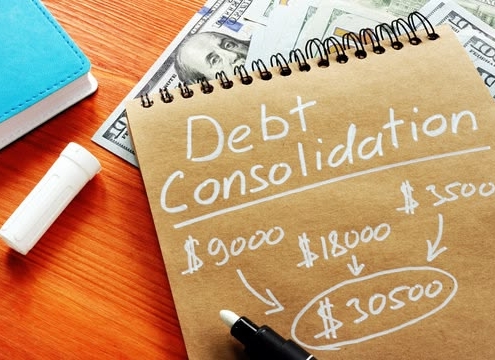 https://goqualifi.com/wp-content/uploads/2026/08/4df9b60b67d7805e798d93f47abf9360.jpg
360
540
faras@brandmaximise.com
https://goqualifi.com/wp-content/uploads/2024/01/qualifi-new-logo-300x106.jpg
faras@brandmaximise.com2026-08-18 08:00:002026-08-18 06:03:32Is a Debt Consolidation Loan a Good Idea for Your Business? An Honest Checklist
https://goqualifi.com/wp-content/uploads/2026/08/4df9b60b67d7805e798d93f47abf9360.jpg
360
540
faras@brandmaximise.com
https://goqualifi.com/wp-content/uploads/2024/01/qualifi-new-logo-300x106.jpg
faras@brandmaximise.com2026-08-18 08:00:002026-08-18 06:03:32Is a Debt Consolidation Loan a Good Idea for Your Business? An Honest Checklist