 https://goqualifi.com/wp-content/uploads/2026/09/c28f34e152f17d315201aa9b04fb665c.jpg
500
750
faras@brandmaximise.com
https://goqualifi.com/wp-content/uploads/2024/01/qualifi-new-logo-300x106.jpg
faras@brandmaximise.com2026-10-03 17:29:152026-10-03 17:29:16Does Applying for a Business Line of Credit Hurt Your Credit? Soft Pulls, Hard Pulls, and What Actually Shows Up
https://goqualifi.com/wp-content/uploads/2026/09/c28f34e152f17d315201aa9b04fb665c.jpg
500
750
faras@brandmaximise.com
https://goqualifi.com/wp-content/uploads/2024/01/qualifi-new-logo-300x106.jpg
faras@brandmaximise.com2026-10-03 17:29:152026-10-03 17:29:16Does Applying for a Business Line of Credit Hurt Your Credit? Soft Pulls, Hard Pulls, and What Actually Shows UpThe offer had finally come through, and the relief was immediate. After weeks of applications and waiting, here was the approval – the amount the business needed, a payment that looked manageable, a clear path forward. The owner scrolled toward the signature line, ready to make it official.
Then a pause. Between the headline numbers and that signature sat pages of dense language: definitions, conditions, clauses with names like “covenant,” “default,” and “guarantee.” Skimming felt natural. The important parts – the amount, the payment – were right there at the top. Everything else was just boilerplate. Wasn’t it?

That assumption is where so many borrowers get caught. The terms that shape what a loan truly costs, and what happens if anything goes wrong, almost always live below the headline.
A loan agreement is really two documents in one: the offer a borrower notices and the conditions a borrower signs. Learning to read both – spotting the clauses that signal a fair deal and the ones that signal trouble – turns a stack of intimidating legalese into a clear picture of exactly what’s being agreed to.
Start With the Real Cost, Not the Headline
The first thing most borrowers read – the loan amount and the payment – is also the least complete part of the agreement.
The number that actually matters is the total dollar cost: how much the business borrows versus how much it pays back over the full term. A clear agreement spells this out plainly, breaking the loan down dollar for dollar so the borrower sees the principal, the total repayment, and every fee in between.
Two details frequently distort the picture. The first is the difference between APR and simple interest – they are not the same, because APR folds in fees and the timing of payments and often lands well above the simple rate. The second is payment frequency. A loan repaid daily or weekly behaves very differently from one repaid monthly, both in true cost and in its effect on cash flow. A green light here is a complete disclosure statement laying out the APR, the total payback, the payment amount and frequency, the total interest, and every associated fee – so nothing about the cost is left to interpretation.
Red Flags Hiding in the Fine Print
Below the headline numbers sit the clauses that quietly define the borrower’s risk – and some deserve real scrutiny.
Prepayment penalties and early termination fees can lock a business into paying interest it hoped to avoid, stripping away the flexibility to clear debt early. Confession-of-judgment clauses, where a borrower effectively waives the right to contest a claim, can be especially dangerous. Cross-default clauses – where defaulting on one obligation automatically triggers default on others – can turn a single hiccup into a cascade.

Other warning signs are subtler. Excessive personal guarantees on a deal already secured by collateral expose personal assets unnecessarily. Vague or open-ended fees – maintenance, monitoring, draw, or returned-payment charges listed without clear amounts – leave room for costs to balloon. And overly restrictive covenants can limit ordinary business decisions, from taking on additional financing to making operational changes, well after the loan closes.
None of these automatically means a deal is bad. But each one belongs in the borrower’s full view before signing, not discovered later.
Green Lights That Signal a Fair Agreement
Just as important as spotting trouble is recognizing the signs of an agreement built in good faith.
The clearest green light is full, written disclosure of every cost – no asterisks, no surprises, no gap between what was discussed and what appears on the page. Terms written in plain language, especially around default, fees, and obligations, signal a lender that wants the borrower to understand the deal rather than gloss over it. Reasonable and clearly stated fees, the flexibility to prepay without penalty, and adequate time to review the documents all point in the same direction.
Consistency is its own green light. When the written terms match the verbal conversation precisely – same amount, same cost, same conditions – it reflects a lender operating transparently. A fair agreement reads like a confirmation of what was promised, not a renegotiation buried in legalese.

One application, multiple lenders lined up for you. Funding in 48 hours.
The Behavior Around the Contract Speaks Volumes
Sometimes the strongest signals come not from the document itself but from how the lender behaves around it.
Several behaviors are recognized warning signs across the lending world. Demands for large upfront or advance fees before any approval are a classic red flag – legitimate lenders may charge an application fee, but they don’t require hefty payments to release funds. Guaranteed approval without reviewing an application is not how real underwriting works. Pressure to sign immediately, or claims that an offer expires within hours, is designed to prevent the borrower from reading carefully. And terms that sound too good to be true usually are.

The green-light version is the mirror image: a lender that gives the borrower time to review, explains terms in detail, discloses every cost up front, and welcomes questions rather than deflecting them. Reputable partners treat scrutiny as part of the process. Predatory ones treat it as an obstacle.
Questions to Ask Before Signing
A handful of direct questions can surface almost everything that matters in an agreement.
What is the total dollar cost if the loan is held to full term? What fees apply – origination, draw, maintenance, late payment, returned payment – and how much is each? Can the loan be paid off early, and what does that cost? What specifically triggers a default, and what are the consequences? Does the agreement include a personal guarantee, a confession of judgment, or a cross-default clause? And does the written disclosure match, line for line, what was discussed?
A lender who answers these clearly and in writing is demonstrating exactly the transparency a borrower should expect. Hesitation or vagueness in response to any of them is a signal in itself.
A Transparent Partner Removes the Guesswork
The hardest part of contract literacy isn’t reading – it’s knowing what to look for. Working with a financing partner committed to transparency changes the entire equation.
QualiFi approaches every agreement with full disclosure, breaking each approval down to its dollar-for-dollar cost – total amount borrowed, total payback, payment structure, and every fee – so borrowers understand precisely what they’re agreeing to before they sign. The philosophy rests on a simple commitment to clients: no hidden fine print, no surprise asterisks, and a clear set of standards the company holds itself to on every deal. Just as importantly, a borrower’s personal and business information is handled responsibly rather than scattered across the market. The result is an agreement a business can sign with confidence rather than crossed fingers.
A Fair Deal Has Nothing to Hide
A loan agreement is one of the most consequential documents a business will ever sign, yet it’s also one of the most commonly skimmed. The terms that determine what a loan really costs – and what happens if circumstances change – live in the language most borrowers skip.
The businesses that finance wisely are the ones that read past the headline, recognize the red flags that signal risk and the green lights that signal fairness, and refuse to sign anything they don’t fully understand. Contract literacy isn’t about distrusting every lender; it’s about being able to tell a fair deal from a costly one – and choosing partners whose agreements hold up to a careful read.
Because the best financing relationships share one trait above all: when a borrower reads every line, there’s nothing there to regret.
BORROW | BUILD | BELIEVE
Asset backed accounts receivable credit facilities up to $20 mil+
UP TO $5 MILLION, NON COLLATERALIZED SUBORDINATED CAPITAL | WITHIN 7 DAYS:
UP TO $5 MILLION, NON COLLATERALIZED SUBORDINATED CAPITAL | WITHIN 7 DAYS:
UP TO $5 MILLION, NON COLLATERALIZED SUBORDINATED CAPITAL | WITHIN 7 DAYS: GET FINANCING IN 3 STEPS
https://goqualifi.com/wp-content/uploads/2026/09/c28f34e152f17d315201aa9b04fb665c.jpg
500
750
faras@brandmaximise.com
https://goqualifi.com/wp-content/uploads/2024/01/qualifi-new-logo-300x106.jpg
faras@brandmaximise.com2026-10-03 17:29:152026-10-03 17:29:16Does Applying for a Business Line of Credit Hurt Your Credit? Soft Pulls, Hard Pulls, and What Actually Shows Up https://goqualifi.com/wp-content/uploads/2026/09/28d312056197abb6c28c49748cce1bbe-1200x423-1.jpg
423
1200
faras@brandmaximise.com
https://goqualifi.com/wp-content/uploads/2024/01/qualifi-new-logo-300x106.jpg
faras@brandmaximise.com2026-09-25 15:01:472026-09-27 00:04:00My Bank Said No to a Line of Credit. What Should I Do in the Next 7 Days?
https://goqualifi.com/wp-content/uploads/2026/09/28d312056197abb6c28c49748cce1bbe-1200x423-1.jpg
423
1200
faras@brandmaximise.com
https://goqualifi.com/wp-content/uploads/2024/01/qualifi-new-logo-300x106.jpg
faras@brandmaximise.com2026-09-25 15:01:472026-09-27 00:04:00My Bank Said No to a Line of Credit. What Should I Do in the Next 7 Days? https://goqualifi.com/wp-content/uploads/2026/09/18587fe8fd4d6d4d3185c96097dfb943-1.jpg
552
736
faras@brandmaximise.com
https://goqualifi.com/wp-content/uploads/2024/01/qualifi-new-logo-300x106.jpg
faras@brandmaximise.com2026-09-18 10:00:002026-09-18 01:08:22How Loan ‘Draws’ Work: Taking Money When You Need It Without Overborrowing
https://goqualifi.com/wp-content/uploads/2026/09/c28f34e152f17d315201aa9b04fb665c.jpg
500
750
faras@brandmaximise.com
https://goqualifi.com/wp-content/uploads/2024/01/qualifi-new-logo-300x106.jpg
faras@brandmaximise.com2026-09-18 08:00:002026-09-18 00:52:50Shorter Term or Lower Payment? The Trade-Off That Changes Your Total Cost
https://goqualifi.com/wp-content/uploads/2026/09/18587fe8fd4d6d4d3185c96097dfb943-1.jpg
552
736
faras@brandmaximise.com
https://goqualifi.com/wp-content/uploads/2024/01/qualifi-new-logo-300x106.jpg
faras@brandmaximise.com2026-09-18 10:00:002026-09-18 01:08:22How Loan ‘Draws’ Work: Taking Money When You Need It Without Overborrowing
https://goqualifi.com/wp-content/uploads/2026/09/c28f34e152f17d315201aa9b04fb665c.jpg
500
750
faras@brandmaximise.com
https://goqualifi.com/wp-content/uploads/2024/01/qualifi-new-logo-300x106.jpg
faras@brandmaximise.com2026-09-18 08:00:002026-09-18 00:52:50Shorter Term or Lower Payment? The Trade-Off That Changes Your Total Cost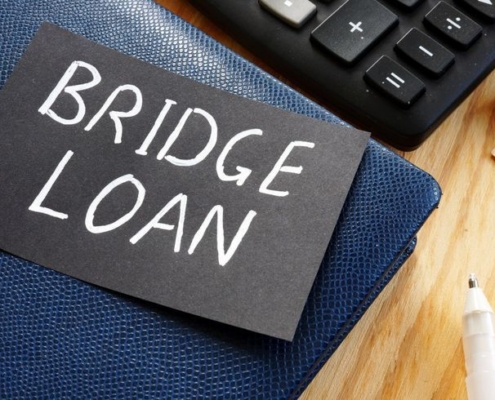 https://goqualifi.com/wp-content/uploads/2026/09/ea16f862846dc63db3f466a30911bf7c.jpg
490
735
faras@brandmaximise.com
https://goqualifi.com/wp-content/uploads/2024/01/qualifi-new-logo-300x106.jpg
faras@brandmaximise.com2026-09-16 12:56:322026-09-16 12:56:38Bridge Loans Explained: How to Move Fast on Property Before Long-Term Financing Lands
https://goqualifi.com/wp-content/uploads/2026/09/ea16f862846dc63db3f466a30911bf7c.jpg
490
735
faras@brandmaximise.com
https://goqualifi.com/wp-content/uploads/2024/01/qualifi-new-logo-300x106.jpg
faras@brandmaximise.com2026-09-16 12:56:322026-09-16 12:56:38Bridge Loans Explained: How to Move Fast on Property Before Long-Term Financing Lands https://goqualifi.com/wp-content/uploads/2026/09/c451fc00b2abde8459d96285268b018d.jpg
667
1000
faras@brandmaximise.com
https://goqualifi.com/wp-content/uploads/2024/01/qualifi-new-logo-300x106.jpg
faras@brandmaximise.com2026-09-16 12:35:222026-09-16 12:35:28How to Fund an Add-On Acquisition to Grow Faster Than Your Competitors
https://goqualifi.com/wp-content/uploads/2026/09/c451fc00b2abde8459d96285268b018d.jpg
667
1000
faras@brandmaximise.com
https://goqualifi.com/wp-content/uploads/2024/01/qualifi-new-logo-300x106.jpg
faras@brandmaximise.com2026-09-16 12:35:222026-09-16 12:35:28How to Fund an Add-On Acquisition to Grow Faster Than Your Competitors https://goqualifi.com/wp-content/uploads/2026/09/657dc1573177b0b57bab71d06db495d3.jpg
630
945
faras@brandmaximise.com
https://goqualifi.com/wp-content/uploads/2024/01/qualifi-new-logo-300x106.jpg
faras@brandmaximise.com2026-09-11 10:00:002026-09-11 05:00:13How to Trust a Lender Again After a Bad Experience
https://goqualifi.com/wp-content/uploads/2026/09/657dc1573177b0b57bab71d06db495d3.jpg
630
945
faras@brandmaximise.com
https://goqualifi.com/wp-content/uploads/2024/01/qualifi-new-logo-300x106.jpg
faras@brandmaximise.com2026-09-11 10:00:002026-09-11 05:00:13How to Trust a Lender Again After a Bad Experience https://goqualifi.com/wp-content/uploads/2026/09/b382cd642c50dc4a87a0b28bdb328bfd.jpg
675
1013
faras@brandmaximise.com
https://goqualifi.com/wp-content/uploads/2024/01/qualifi-new-logo-300x106.jpg
faras@brandmaximise.com2026-09-11 08:00:002026-09-11 04:49:47How to Tighten Your Payment Terms Without Losing Customers
https://goqualifi.com/wp-content/uploads/2026/09/b382cd642c50dc4a87a0b28bdb328bfd.jpg
675
1013
faras@brandmaximise.com
https://goqualifi.com/wp-content/uploads/2024/01/qualifi-new-logo-300x106.jpg
faras@brandmaximise.com2026-09-11 08:00:002026-09-11 04:49:47How to Tighten Your Payment Terms Without Losing Customers https://goqualifi.com/wp-content/uploads/2026/09/8acf9b810cce6f7dad3658c9bb296c40.jpg
800
1199
faras@brandmaximise.com
https://goqualifi.com/wp-content/uploads/2024/01/qualifi-new-logo-300x106.jpg
faras@brandmaximise.com2026-09-10 14:06:462026-09-10 14:06:52Should You Consolidate Now or Wait for Rates to Drop? A Framework
https://goqualifi.com/wp-content/uploads/2026/09/8acf9b810cce6f7dad3658c9bb296c40.jpg
800
1199
faras@brandmaximise.com
https://goqualifi.com/wp-content/uploads/2024/01/qualifi-new-logo-300x106.jpg
faras@brandmaximise.com2026-09-10 14:06:462026-09-10 14:06:52Should You Consolidate Now or Wait for Rates to Drop? A Framework