Our Best and Worst Quarters: What Extreme Performance Taught Us – The $33M record quarter vs. the 6-month slowdown of 2023
By Eddie DeAngelis, Founder & CEO of QualiFi

By Eddie DeAngelis, Founder & CEO of QualiFi
November through January. Three months. $33 million funded.
We were unstoppable. Less than a year into business and we were funding deals faster than companies ten times our age. Every metric pointing up and to the right. We closed a $7.5 million commercial real estate transaction. Our Q4 was legendary. January 2024 became our best month ever.
Then February hit.
Not a bad month. A disaster month. March wasn’t better. By April, I realized we weren’t experiencing a temporary dip – we were in freefall. Six months of stagnation. February through July 2023. The longest, hardest stretch in QualiFi’s history.

This is the story nobody tells you about building a business: the distance between your best quarter and your worst quarter isn’t measured in revenue – it’s measured in what you learn when everything stops working.
Picture this: October through December 2022, we’re breaking records monthly. We’ve got a waitlist of clients. We’re planning to hire four additional funding managers. The office energy is electric. We’re doing everything right – or so I thought.
We were on cloud nine. Not even a year into business and we’re thinking “who can touch us?” We funded almost $20 million in Q4. Everything was firing on all cylinders.
That confidence? It wasn’t arrogance. It was data. Every process worked. Every system scaled. Every hire contributed. I thought we had cracked the code.
Then someone pulled the rug.
February 2023 revenue: down significantly from January.
March 2023: down again.
April 2023: still down.
By month three, my daughter Gia and I are sitting there going “what the hell?” We’d never had a bad quarter. We’d had bad months before in our careers, sure. But this was different. This wasn’t bouncing back.
The question became: Was this temporary turbulence or a fundamental break in our business model?
The numbers told a brutal story. Revenue that should have been climbing was flatlining. Deals that should have closed were stalling. The pipeline that fed our record quarter had gone dry.
But here’s what the numbers didn’t show: the daily psychological warfare of watching systems that worked perfectly suddenly produce nothing.

Every morning, I’d check dashboards that used to show green now showed red. Every weekly meeting reviewing metrics that kept declining. Every conversation with the team trying to diagnose what changed.
The economy got volatile. Banks tightened. Small business owners were hesitant to take on debt because the Fed rate increases were dominating headlines. Even though our rates in the non-bank space hadn’t changed much, the perception was that borrowing got way more expensive. That perception froze decision-making.
The irony? Our actual product hadn’t changed. Our rates were stable. Our service was better than ever. But external forces – Fed policy, banking sector instability, economic uncertainty – created headwinds I couldn’t control.
This is where most businesses make fatal mistakes.
When revenue drops 40-50% for six straight months, every business instinct screams: cut costs, fire people, reduce overhead, survive.
I didn’t do that.
We didn’t lay off anyone. No sales rep salary cuts. The management team – myself and Gia – we took pay cuts. I actually went off salary entirely for a couple months just to give the company breathing room. But I protected the team.
Why? Because I believed the fundamentals were still sound.
The market hadn’t rejected our product. Economic conditions had created temporary paralysis. Cutting my team meant cutting our capacity to capture the recovery when it came.
Instead of panicking, I doubled down on fundamentals:
Worked harder and smarter. I’d come home at 6 PM, eat dinner, then work another three hours catching up on emails and client outreach. The team committed to working their hours more effectively, using every tool we provided to maximize client interactions.
Stayed grounded despite pressure. The word “humble” brings me right back to that six-month stretch. We got humbled hard. I thought we were invincible. The market taught me we weren’t.
Maintained discipline. No desperate pivots. No chasing shiny objects. I stuck to the plan I knew worked, executed it better, and waited for conditions to improve.
Supported each other. Daily calls between Gia and me working through uncertainty. Team meetings focused on staying positive, sharing wins, and maintaining belief that we’d emerge stronger.
My mantra became: Work through it. Stay the course. Control what you can control.

One application, multiple lenders lined up for you. Funding in 48 hours.
August 2023. Small uptick in deals closing.
September 2023. Better month.
October 2023. Strong month.
By Q1 2024, we weren’t just recovered – we were crushing previous records. Cameron, one of our funding managers, brought in over $160,000 in company revenue in a single quarter, setting an all-time record.
The last three months have been record-breaking. Not just for the company, but individual performance records I never imagined we’d hit this soon.
What changed? Two things:
External conditions improved. Economic volatility stabilized. Fed rate hike rhetoric cooled. Small business owners regained confidence in making capital decisions.
Internal capabilities strengthened. Six months of grinding through adversity built capabilities we didn’t have before. My team got better at navigating objections. Our processes got tighter. Our resilience grew.
The comeback wasn’t luck. It was the accumulated compound effect of doing the right things consistently during the hard months.
Standing on the other side of both extremes – record quarters and disaster quarters – here’s what I learned:
When everything works, you stop questioning assumptions. Our Q4 success made me think I’d figured it out permanently. The six-month slowdown taught me: you never “figure it out.” Markets shift. Conditions change. Humility isn’t optional.
During tough months, I didn’t need a new marketing strategy or a revolutionary product pivot. I needed to execute basics flawlessly: answer phones, serve clients excellently, close deals professionally. Fundamentals win.
Anyone can maintain culture when revenue is up and bonuses are flowing. Real culture reveals itself when times are hard and people choose to stick together, work harder, and support each other anyway. That six-month period built the foundation of what QualiFi is today.
We survived the slowdown because we had reserves. Many businesses in our position would have imploded. The ability to weather six bad months without panicking is the difference between companies that survive cycles and companies that don’t.
My team needed to believe we’d make it through. That meant Gia and I couldn’t show panic, even when we felt it. Leadership during crisis means projecting confidence while privately managing fear. Every night I’d go home questioning everything, but every morning I’d walk into that office ready to fight.
When the market turned, we captured it because I’d maintained team capacity, refined processes, and stayed ready. Companies that gutted their teams during the slowdown couldn’t scale when opportunities returned. We could.

Every business will experience both extremes. Record quarters that make you feel invincible. Brutal quarters that make you question everything.
The businesses that survive aren’t the ones that avoid the downturns – those are unavoidable. They’re the ones that:
Build reserves during good times. That $33 million quarter should have funded reserves for the slow quarters. I learned this the hard way. Assume the next slowdown is coming and prepare accordingly.
Resist panic-driven decisions. Cutting too deep during downturns destroys your recovery capacity. Strategic patience outperforms reactive panic. I’m glad I resisted the urge to slash and burn.
Maintain fundamentals relentlessly. When systems stop producing results, the answer isn’t usually new systems – it’s better execution of proven systems. I kept grinding the basics.
Protect your team. Your people are your competitive advantage. Layoffs might preserve cash short-term but destroy capability long-term. I took the financial hit personally rather than put it on my team.
Stay humble during success. The best quarters are gifts, not entitlements. External conditions contributed to your success. They can contribute to your failure just as quickly.
Here’s what nobody tells you: you can do everything right and still have terrible quarters. You can execute flawlessly and external conditions can sink you anyway.
QualiFi’s six-month slowdown wasn’t caused by poor execution. My team was excellent. Our product was strong. Our processes were solid. But macroeconomic forces – Fed policy, banking instability, small business sentiment – created headwinds I couldn’t overcome through effort alone.
The lesson isn’t that effort doesn’t matter. It’s that effort during hard times positions you to capture upside when conditions improve.
I didn’t cause the slowdown. But I did ensure we’d survive it and thrive when it ended.
That’s the real skill: not avoiding hard quarters (impossible), but building a business resilient enough to weather them and explosive enough to capitalize when momentum returns.
Today, QualiFi is coming off our best year ever. We funded over $33 million in three months (November 2024-January 2025). We’re expanding office space. We’re hiring aggressively. I’m projecting continued growth through 2025.
But I remember February 2023. I remember the six months of uncertainty. I remember what it felt like to wonder if we’d make it. I remember those nights working until 9 PM, checking the bank balance, calculating how many more months we could hold on.
That memory keeps me grounded. It keeps me building reserves. It keeps me focused on fundamentals. It keeps me humble.
Because the next slowdown is coming. I don’t know when. I don’t know what will cause it. But I know it’s coming.
And when it does, we’ll be ready.
Asset backed accounts receivable credit facilities up to $20 mil+
UP TO $5 MILLION, NON COLLATERALIZED SUBORDINATED CAPITAL | WITHIN 7 DAYS:
UP TO $5 MILLION, NON COLLATERALIZED SUBORDINATED CAPITAL | WITHIN 7 DAYS:
UP TO $5 MILLION, NON COLLATERALIZED SUBORDINATED CAPITAL | WITHIN 7 DAYS: GET FINANCING IN 3 STEPS
 https://goqualifi.com/wp-content/uploads/2026/08/43c1bf14e8d9be9ce3a8674cfab34cb3.jpg
427
640
faras@brandmaximise.com
https://goqualifi.com/wp-content/uploads/2024/01/qualifi-new-logo-300x106.jpg
faras@brandmaximise.com2026-08-24 10:00:002026-08-24 03:48:34How Much Could Debt Consolidation Save You? The Numbers Owners Should Run First
https://goqualifi.com/wp-content/uploads/2026/08/43c1bf14e8d9be9ce3a8674cfab34cb3.jpg
427
640
faras@brandmaximise.com
https://goqualifi.com/wp-content/uploads/2024/01/qualifi-new-logo-300x106.jpg
faras@brandmaximise.com2026-08-24 10:00:002026-08-24 03:48:34How Much Could Debt Consolidation Save You? The Numbers Owners Should Run First https://goqualifi.com/wp-content/uploads/2026/08/f53ac3122b04733b7d3b61775d582266.jpg
558
735
faras@brandmaximise.com
https://goqualifi.com/wp-content/uploads/2024/01/qualifi-new-logo-300x106.jpg
faras@brandmaximise.com2026-08-24 08:00:002026-08-24 03:59:43Why Commercial Real Estate Lenders Want 30% Down, and How to Get Around It
https://goqualifi.com/wp-content/uploads/2026/08/f53ac3122b04733b7d3b61775d582266.jpg
558
735
faras@brandmaximise.com
https://goqualifi.com/wp-content/uploads/2024/01/qualifi-new-logo-300x106.jpg
faras@brandmaximise.com2026-08-24 08:00:002026-08-24 03:59:43Why Commercial Real Estate Lenders Want 30% Down, and How to Get Around It https://goqualifi.com/wp-content/uploads/2026/08/6b7dc9ed0914ecc34b63790b3b251aa2.jpg
490
735
faras@brandmaximise.com
https://goqualifi.com/wp-content/uploads/2024/01/qualifi-new-logo-300x106.jpg
faras@brandmaximise.com2026-08-21 08:00:002026-08-21 04:00:47Good Debt vs. Bad Debt for Businesses: How to Tell the Difference
https://goqualifi.com/wp-content/uploads/2026/08/6b7dc9ed0914ecc34b63790b3b251aa2.jpg
490
735
faras@brandmaximise.com
https://goqualifi.com/wp-content/uploads/2024/01/qualifi-new-logo-300x106.jpg
faras@brandmaximise.com2026-08-21 08:00:002026-08-21 04:00:47Good Debt vs. Bad Debt for Businesses: How to Tell the Difference https://goqualifi.com/wp-content/uploads/2026/08/3f86e1d209f9eebb2525a5140cee84af.jpg
490
735
faras@brandmaximise.com
https://goqualifi.com/wp-content/uploads/2024/01/qualifi-new-logo-300x106.jpg
faras@brandmaximise.com2026-08-20 11:04:412026-08-20 11:04:44How to Get a Second Business Loan When You Already Have One
https://goqualifi.com/wp-content/uploads/2026/08/3f86e1d209f9eebb2525a5140cee84af.jpg
490
735
faras@brandmaximise.com
https://goqualifi.com/wp-content/uploads/2024/01/qualifi-new-logo-300x106.jpg
faras@brandmaximise.com2026-08-20 11:04:412026-08-20 11:04:44How to Get a Second Business Loan When You Already Have One https://goqualifi.com/wp-content/uploads/2026/08/b42160b5e8462de02a0db456bf6727a3.jpg
801
1199
faras@brandmaximise.com
https://goqualifi.com/wp-content/uploads/2024/01/qualifi-new-logo-300x106.jpg
faras@brandmaximise.com2026-08-20 10:56:462026-08-20 10:56:48Your Business Is Your Baby. Here’s How to Fund Its Next Chapter Without Losing Control
https://goqualifi.com/wp-content/uploads/2026/08/b42160b5e8462de02a0db456bf6727a3.jpg
801
1199
faras@brandmaximise.com
https://goqualifi.com/wp-content/uploads/2024/01/qualifi-new-logo-300x106.jpg
faras@brandmaximise.com2026-08-20 10:56:462026-08-20 10:56:48Your Business Is Your Baby. Here’s How to Fund Its Next Chapter Without Losing Control https://goqualifi.com/wp-content/uploads/2026/08/3c12133ed9f9f22e6fcba8b8513479f8.jpg
490
735
faras@brandmaximise.com
https://goqualifi.com/wp-content/uploads/2024/01/qualifi-new-logo-300x106.jpg
faras@brandmaximise.com2026-08-19 10:00:002026-08-19 03:23:48How to Compare Two Loan Offers Side by Side (Without Getting Confused by the Rate)
https://goqualifi.com/wp-content/uploads/2026/08/3c12133ed9f9f22e6fcba8b8513479f8.jpg
490
735
faras@brandmaximise.com
https://goqualifi.com/wp-content/uploads/2024/01/qualifi-new-logo-300x106.jpg
faras@brandmaximise.com2026-08-19 10:00:002026-08-19 03:23:48How to Compare Two Loan Offers Side by Side (Without Getting Confused by the Rate) https://goqualifi.com/wp-content/uploads/2026/08/932bbd0d409232ffa35f968c2a142633.jpg
488
750
faras@brandmaximise.com
https://goqualifi.com/wp-content/uploads/2024/01/qualifi-new-logo-300x106.jpg
faras@brandmaximise.com2026-08-19 08:00:002026-08-19 03:05:38Refinancing a Business Loan: When It Saves You Money and When It Doesn’t
https://goqualifi.com/wp-content/uploads/2026/08/932bbd0d409232ffa35f968c2a142633.jpg
488
750
faras@brandmaximise.com
https://goqualifi.com/wp-content/uploads/2024/01/qualifi-new-logo-300x106.jpg
faras@brandmaximise.com2026-08-19 08:00:002026-08-19 03:05:38Refinancing a Business Loan: When It Saves You Money and When It Doesn’t https://goqualifi.com/wp-content/uploads/2026/08/08c6e11ebe2d516bfc10e02fe8876ba6.jpg
672
896
faras@brandmaximise.com
https://goqualifi.com/wp-content/uploads/2024/01/qualifi-new-logo-300x106.jpg
faras@brandmaximise.com2026-08-18 10:00:002026-08-18 06:15:49The Emotional Side of Borrowing: Why Asking for Capital Feels Hard (and Why It Shouldn’t)
https://goqualifi.com/wp-content/uploads/2026/08/08c6e11ebe2d516bfc10e02fe8876ba6.jpg
672
896
faras@brandmaximise.com
https://goqualifi.com/wp-content/uploads/2024/01/qualifi-new-logo-300x106.jpg
faras@brandmaximise.com2026-08-18 10:00:002026-08-18 06:15:49The Emotional Side of Borrowing: Why Asking for Capital Feels Hard (and Why It Shouldn’t)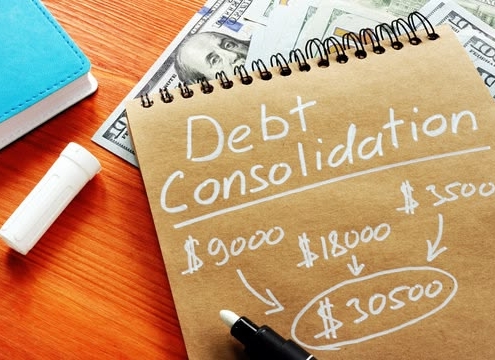 https://goqualifi.com/wp-content/uploads/2026/08/4df9b60b67d7805e798d93f47abf9360.jpg
360
540
faras@brandmaximise.com
https://goqualifi.com/wp-content/uploads/2024/01/qualifi-new-logo-300x106.jpg
faras@brandmaximise.com2026-08-18 08:00:002026-08-18 06:03:32Is a Debt Consolidation Loan a Good Idea for Your Business? An Honest Checklist
https://goqualifi.com/wp-content/uploads/2026/08/4df9b60b67d7805e798d93f47abf9360.jpg
360
540
faras@brandmaximise.com
https://goqualifi.com/wp-content/uploads/2024/01/qualifi-new-logo-300x106.jpg
faras@brandmaximise.com2026-08-18 08:00:002026-08-18 06:03:32Is a Debt Consolidation Loan a Good Idea for Your Business? An Honest Checklist