
 https://goqualifi.com/wp-content/uploads/2026/04/64afc4491dd3e5384b862dcc82ac41c2.jpg
629
736
faras@brandmaximise.com
https://goqualifi.com/wp-content/uploads/2024/01/qualifi-new-logo-300x106.jpg
faras@brandmaximise.com2026-04-10 13:00:002026-04-10 02:51:02Invoice Factoring vs. Invoice Financing: Choosing the Right Tool for Your Business
https://goqualifi.com/wp-content/uploads/2026/04/64afc4491dd3e5384b862dcc82ac41c2.jpg
629
736
faras@brandmaximise.com
https://goqualifi.com/wp-content/uploads/2024/01/qualifi-new-logo-300x106.jpg
faras@brandmaximise.com2026-04-10 13:00:002026-04-10 02:51:02Invoice Factoring vs. Invoice Financing: Choosing the Right Tool for Your BusinessThe conference room is booked. Again.
Your sales manager is taking a client call from the parking lot. Your newest hire is squeezed into a corner that wasn’t meant to be a workspace. Three qualified candidates turned down offers this month – not because of salary, but because they visited the office and saw people literally sitting on top of each other.
You’re turning away revenue because you have nowhere to put the people who would generate it.
This is the trap growing businesses fall into. Revenue grows. Team grows. Office space doesn’t. Then suddenly you’re choosing between growth and comfort – except it’s not really a choice at all.
I’ve been through this decision four times across different companies. Here’s what I’ve learned through 30+ years: The businesses that wait too long to expand get trapped by their own growth. The businesses that expand strategically use space as a tool for scaling.
This is how to know when it’s time to move – and how to finance expansion without draining the capital you need to actually grow.
The Signs It’s Time to Expand
Office expansion isn’t about comfort. It’s about capacity.
The clear indicators:
You’re turning down qualified candidates because there’s physically nowhere to seat them. Growth is limited by square footage, not market opportunity.
Conference rooms are booked solid. Teams can’t meet because there’s no available space. Client calls happen in hallways or parking lots.
Productivity is dropping. People can’t focus because the space is too crowded. The energy that drove growth is now creating frustration.
Employee satisfaction is declining. Exit interviews mention the cramped workspace. Good people are considering leaving because the environment doesn’t work.
The timeline we were facing at QualiFi just 9 months ago:
We have 25+ employees at that time, growing and now 30+. Plans to double the sales team mean 45+ by end of 2026. Our current space was only 2800+ sw ft and we we’re already feeling tight, crammed in, and we needed room to accommodate significant growth without immediately outgrowing the new location.
The math is simple: The current space doesn’t fit future team. Either we expanded space or we limit growth. We upgraded to an 8,000 sq foot office here in Broomall Pa last July and It was the best decision we’ve ever made.
The Cost of Waiting Too Long
I’ve seen businesses wait too long to expand. The costs aren’t obvious until they compound.

What delayed expansion actually costs:
Lost hiring opportunities. You find the perfect candidate but have nowhere to put them. By the time you secure new space months later, they’ve accepted another offer.
Productivity decline. Teams working in cramped conditions produce less. The energy drain from poor workspace isn’t measured in spreadsheets, but it’s real.
Culture damage. When people feel like they’re squeezed into inadequate space, they feel undervalued. That sentiment spreads.
Competitive disadvantage. While you’re constrained by space, competitors with better facilities are scaling faster.
The pattern I’ve seen:
Businesses that expand proactively use space as a growth enabler. Businesses that expand reactively are always playing catch-up – scrambling for space after they’ve already outgrown what they have.
The Three Financing Options for Office Expansion
Office expansion requires capital. Most businesses don’t have large cash reserves sitting idle for real estate. Here are the three ways we’re evaluating financing:
Option One: Commercial Mortgages or SBA 7(a)
If you’re purchasing property, commercial mortgages provide long-term financing specifically for real estate.
The structure: Typically 30-year fixed terms with competitive interest rates. Down payment requirements vary but often range from 20%-30 of purchase price. Monthly payments stay predictable over the full term. SBA 10% down in most cases.
Why this works: You’re building equity while you occupy the space. Monthly mortgage payments can be comparable to or even lower than lease payments – and at the end, you own the asset.
The requirement: Strong credit profile and financial stability. Lenders want to see consistent revenue and the ability to handle mortgage payments through economic ups and downs.
Option Two: Term Loans for Tenant Improvements
If you’re leasing, you’ll likely need capital for tenant improvements, furniture, technology infrastructure, and moving costs.
The structure: Term loans provide lump-sum capital repaid over fixed periods, typically ranging from a few years to longer terms. Rates vary based on creditworthiness and loan amount.
Why this works: You get the capital needed to build out the new space properly without draining working capital. Structured payments spread the cost over time.
The advantage: You preserve cash reserves for operations and growth while financing the one-time expansion costs.
Option Three: Lines of Credit for Flexibility
Lines of credit provide flexible access to capital as expansion needs arise.
The structure: Approved credit line you can draw from as needed. Only pay interest on what you actually use. Can draw, repay, and redraw as necessary.
Why this works: Expansion costs don’t hit all at once. Initial build-out, then furniture, then technology, then additional hiring. A line lets you access capital as needs arise without taking a large loan upfront.
The flexibility: If expansion costs less than projected, you only borrowed what you needed. If it costs more, you have additional capacity available.

One application, multiple lenders lined up for you. Funding in 48 hours.
The Hidden Costs Everyone Forgets
When we’re evaluating new office space, the lease rate or purchase price is just the starting point. The real costs add up fast.
Tenant improvements:
Even “move-in ready” spaces need work. Building conference rooms, installing appropriate lighting, creating private offices versus open workspace, adding soundproofing – it all costs money.
We had one client in the medical industry moving into a large office suite – over 5,000 square feet. They needed custom architectural design and furniture. The cost was substantial – and we financed it at a single-digit interest rate, less than 6%, to preserve their working capital.
Furniture and equipment:
Desks, chairs, conference tables, reception area furniture – it adds up faster than expected. Equipment financing can cover these costs without draining reserves.
Technology infrastructure: Network cabling, upgraded internet, phone systems, security systems, additional computers and monitors for new hires.
Moving and transition costs:
Professional movers, downtime during the move, overlapping rent if timing doesn’t align perfectly between old and new leases.
The actual number:
What looks like a straightforward office move quickly becomes a substantial capital requirement. Smart businesses finance these costs rather than draining reserves.
When to Move: Don‘t Wait Until You’re Out of Space
Here’s the principle: Don’t wait until you’re completely out of space. Expand before you’re bursting at the seams.

The strategic timing:
Expand when you’re feeling the squeeze but before it becomes a crisis. When conference rooms are consistently booked but you haven’t yet started losing candidates due to space constraints.
When your growth projections show you’ll need more team members, not after you’ve already hired them and are cramming people into corners.
Why proactive expansion works:
It gives you room to hire opportunistically. When you find great candidates, you can bring them on immediately.
It provides space for growth without constant disruption. You’re not moving every year because you immediately outgrew the new space.
It maintains the work environment quality that keeps employees productive and satisfied.
How QualiFi Finances Growth – Including Our Own
At QualiFi, we’ve facilitated over $375 million in financing since 2022. We understand growth capital because we help businesses secure it every day.
And when it’s our own expansion? We use the same strategies we recommend to clients.
Our approach:
We’re not draining cash reserves for office expansion. We’re using strategic financing to fund the space while preserving capital for the actual business operations that matter – hiring, marketing, technology, and serving clients.
We’re matching the financing term to the investment. Long-term capital for long-term assets. Flexible capital for variable costs.
For clients facing similar decisions:
We structure commercial mortgages for businesses purchasing property. We arrange term loans for substantial tenant improvements and furniture packages. We provide lines of credit for flexible access to expansion capital.
Our 75+ lender network includes specialists who understand facilities growth and provide financing structured appropriately for each situation.
The QualiFi Office Expansion Decision
April is approaching. We’re evaluating spaces that can accommodate our growth trajectory for the next few years – room for our current 15+ employees and the additional team members we’re planning to bring on as we double our sales team.
The decision framework:
Does this space support our growth trajectory for the next few years? Can we double the team without immediately outgrowing it again?
Does the financing preserve working capital for operations? We don’t want beautiful office space and no budget for marketing or hiring.
Does the timeline align with our hiring plans? We need space ready before we bring on additional team.
The business reality:
Growing businesses face this decision repeatedly. You can constrain growth to fit current space, or you can expand space to enable growth.
We’re choosing expansion – financed strategically so it enables growth rather than constraining it.
The Mistake: Treating Expansion as Optional
The biggest mistake growing businesses make is treating expansion as optional or deferrable.

The pattern:
Space gets tight. Leadership decides to “wait and see” if growth continues. Growth continues. Space gets tighter. Now expansion is urgent and rushed rather than strategic and planned.
Rushed expansion costs more. Less negotiating leverage on lease terms. Less time to find optimal space. Higher costs because everything is urgent.
The alternative:
Expand proactively. When space is getting tight and growth trajectory is clear, start planning expansion. Secure financing while you’re strong, not when you’re desperate.
Find space strategically. Take time to negotiate favorable terms. Finance appropriately. Move when ready, not when crisis forces your hand.
Your Move: Expand Strategically or Stay Constrained
Every growing business faces this decision eventually. Current space limits future team size. Future growth requires more space.
You can wait until you’re completely out of room – hiring freezes, productivity suffering, employees frustrated – then scramble to find space and financing.
Or you can expand proactively – secure appropriate space, finance it strategically, preserve working capital, and use space as a tool for enabling growth.
We’re expanding because QualiFi’s growth trajectory requires it. The businesses we serve best are the ones growing rapidly. We need space that accommodates the team required to serve them.
Facilities expansion isn’t a real estate decision. It’s a growth strategy.
BORROW | BUILD | BELIEVE
Asset backed accounts receivable credit facilities up to $20 mil+
UP TO $5 MILLION, NON COLLATERALIZED SUBORDINATED CAPITAL | WITHIN 7 DAYS:
UP TO $5 MILLION, NON COLLATERALIZED SUBORDINATED CAPITAL | WITHIN 7 DAYS:
UP TO $5 MILLION, NON COLLATERALIZED SUBORDINATED CAPITAL | WITHIN 7 DAYS: GET FINANCING IN 3 STEPS
https://goqualifi.com/wp-content/uploads/2026/04/64afc4491dd3e5384b862dcc82ac41c2.jpg
629
736
faras@brandmaximise.com
https://goqualifi.com/wp-content/uploads/2024/01/qualifi-new-logo-300x106.jpg
faras@brandmaximise.com2026-04-10 13:00:002026-04-10 02:51:02Invoice Factoring vs. Invoice Financing: Choosing the Right Tool for Your Business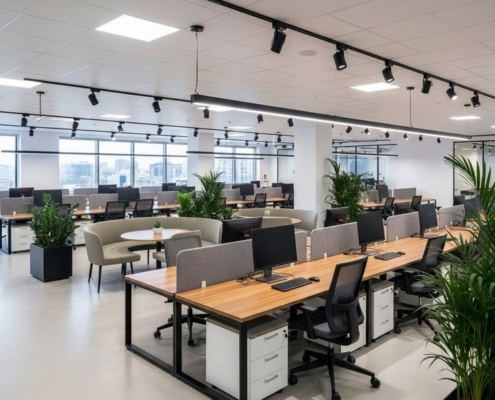 https://goqualifi.com/wp-content/uploads/2026/04/7d24d9b15095ff514d1177beddea9ded.jpg
736
736
faras@brandmaximise.com
https://goqualifi.com/wp-content/uploads/2024/01/qualifi-new-logo-300x106.jpg
faras@brandmaximise.com2026-04-10 08:00:002026-04-10 01:25:29Office Space Expansion: When to Move and How to Finance It – Facilities growth
https://goqualifi.com/wp-content/uploads/2026/04/7d24d9b15095ff514d1177beddea9ded.jpg
736
736
faras@brandmaximise.com
https://goqualifi.com/wp-content/uploads/2024/01/qualifi-new-logo-300x106.jpg
faras@brandmaximise.com2026-04-10 08:00:002026-04-10 01:25:29Office Space Expansion: When to Move and How to Finance It – Facilities growth https://goqualifi.com/wp-content/uploads/2026/04/e9620da26c33b2fa386d67491488ea6e.jpg
1024
1024
faras@brandmaximise.com
https://goqualifi.com/wp-content/uploads/2024/01/qualifi-new-logo-300x106.jpg
faras@brandmaximise.com2026-04-09 13:00:002026-04-09 08:50:03Inventory Expansion Without the Risk: Smart Financing Strategies
https://goqualifi.com/wp-content/uploads/2026/04/e9620da26c33b2fa386d67491488ea6e.jpg
1024
1024
faras@brandmaximise.com
https://goqualifi.com/wp-content/uploads/2024/01/qualifi-new-logo-300x106.jpg
faras@brandmaximise.com2026-04-09 13:00:002026-04-09 08:50:03Inventory Expansion Without the Risk: Smart Financing Strategies https://goqualifi.com/wp-content/uploads/2026/04/2981e3bccd8697f5a22d255174d74704.jpg
490
735
faras@brandmaximise.com
https://goqualifi.com/wp-content/uploads/2024/01/qualifi-new-logo-300x106.jpg
faras@brandmaximise.com2026-04-09 08:00:002026-04-09 08:11:53The 30-60-90 Day Cash Flow Forecast: Your Business GPS
https://goqualifi.com/wp-content/uploads/2026/04/2981e3bccd8697f5a22d255174d74704.jpg
490
735
faras@brandmaximise.com
https://goqualifi.com/wp-content/uploads/2024/01/qualifi-new-logo-300x106.jpg
faras@brandmaximise.com2026-04-09 08:00:002026-04-09 08:11:53The 30-60-90 Day Cash Flow Forecast: Your Business GPS https://goqualifi.com/wp-content/uploads/2026/04/6fd282b2cb48db7233a24b9291f2db1a.jpg
360
540
faras@brandmaximise.com
https://goqualifi.com/wp-content/uploads/2024/01/qualifi-new-logo-300x106.jpg
faras@brandmaximise.com2026-04-08 13:00:002026-04-08 08:12:56Off-Season Doesn’t Have to Mean Off-Budget: Cash Flow Strategies for Seasonal Businesses
https://goqualifi.com/wp-content/uploads/2026/04/6fd282b2cb48db7233a24b9291f2db1a.jpg
360
540
faras@brandmaximise.com
https://goqualifi.com/wp-content/uploads/2024/01/qualifi-new-logo-300x106.jpg
faras@brandmaximise.com2026-04-08 13:00:002026-04-08 08:12:56Off-Season Doesn’t Have to Mean Off-Budget: Cash Flow Strategies for Seasonal Businesses https://goqualifi.com/wp-content/uploads/2026/04/f1a818fce36a8e1ece9af7631b85e8bc.jpg
1080
1080
faras@brandmaximise.com
https://goqualifi.com/wp-content/uploads/2024/01/qualifi-new-logo-300x106.jpg
faras@brandmaximise.com2026-04-08 08:30:002026-04-08 07:54:25Waiting 90 Days to Get Paid? How Contractors Are Closing the Cash Flow Gap
https://goqualifi.com/wp-content/uploads/2026/04/f1a818fce36a8e1ece9af7631b85e8bc.jpg
1080
1080
faras@brandmaximise.com
https://goqualifi.com/wp-content/uploads/2024/01/qualifi-new-logo-300x106.jpg
faras@brandmaximise.com2026-04-08 08:30:002026-04-08 07:54:25Waiting 90 Days to Get Paid? How Contractors Are Closing the Cash Flow Gap https://goqualifi.com/wp-content/uploads/2026/04/How-Rising-Material-Costs-Impact-Your-Financing-Needs.jpg
372
620
faras@brandmaximise.com
https://goqualifi.com/wp-content/uploads/2024/01/qualifi-new-logo-300x106.jpg
faras@brandmaximise.com2026-04-07 08:00:002026-04-07 08:50:43How Rising Material Costs Impact Your Financing Needs
https://goqualifi.com/wp-content/uploads/2026/04/How-Rising-Material-Costs-Impact-Your-Financing-Needs.jpg
372
620
faras@brandmaximise.com
https://goqualifi.com/wp-content/uploads/2024/01/qualifi-new-logo-300x106.jpg
faras@brandmaximise.com2026-04-07 08:00:002026-04-07 08:50:43How Rising Material Costs Impact Your Financing Needs https://goqualifi.com/wp-content/uploads/2026/04/10K-to-20M-Client-Stories-Across-Our-Funding-Range.webp
900
1600
faras@brandmaximise.com
https://goqualifi.com/wp-content/uploads/2024/01/qualifi-new-logo-300x106.jpg
faras@brandmaximise.com2026-04-05 10:10:352026-04-05 10:10:41$10K to $20M: Client Stories Across Our Funding Range
https://goqualifi.com/wp-content/uploads/2026/04/10K-to-20M-Client-Stories-Across-Our-Funding-Range.webp
900
1600
faras@brandmaximise.com
https://goqualifi.com/wp-content/uploads/2024/01/qualifi-new-logo-300x106.jpg
faras@brandmaximise.com2026-04-05 10:10:352026-04-05 10:10:41$10K to $20M: Client Stories Across Our Funding Range https://goqualifi.com/wp-content/uploads/2026/04/Landed-a-Government-Contract-Heres-How-to-Finance-It-Government-contract-financing-strategies.webp
579
1029
faras@brandmaximise.com
https://goqualifi.com/wp-content/uploads/2024/01/qualifi-new-logo-300x106.jpg
faras@brandmaximise.com2026-04-04 13:06:002026-04-04 10:07:20Landed a Government Contract? Here’s How to Finance It – Government contract financing strategies
https://goqualifi.com/wp-content/uploads/2026/04/Landed-a-Government-Contract-Heres-How-to-Finance-It-Government-contract-financing-strategies.webp
579
1029
faras@brandmaximise.com
https://goqualifi.com/wp-content/uploads/2024/01/qualifi-new-logo-300x106.jpg
faras@brandmaximise.com2026-04-04 13:06:002026-04-04 10:07:20Landed a Government Contract? Here’s How to Finance It – Government contract financing strategies