 https://goqualifi.com/wp-content/uploads/2026/08/6b7dc9ed0914ecc34b63790b3b251aa2.jpg
490
735
faras@brandmaximise.com
https://goqualifi.com/wp-content/uploads/2024/01/qualifi-new-logo-300x106.jpg
faras@brandmaximise.com2026-08-21 08:00:002026-08-21 04:00:47Good Debt vs. Bad Debt for Businesses: How to Tell the Difference
https://goqualifi.com/wp-content/uploads/2026/08/6b7dc9ed0914ecc34b63790b3b251aa2.jpg
490
735
faras@brandmaximise.com
https://goqualifi.com/wp-content/uploads/2024/01/qualifi-new-logo-300x106.jpg
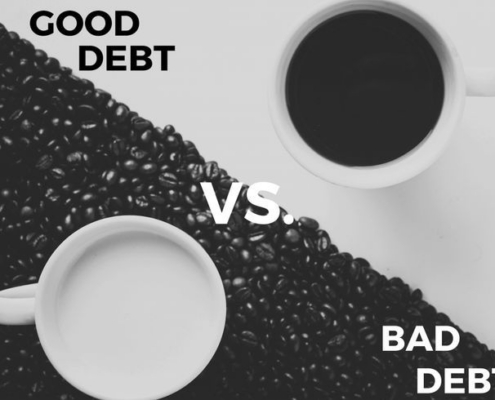
faras@brandmaximise.com2026-08-21 08:00:002026-08-21 04:00:47Good Debt vs. Bad Debt for Businesses: How to Tell the DifferenceSomeone probably told you all business debt is dangerous. They were half right.
You’ve likely heard both messages, sometimes from the same person. “Avoid debt, it’ll sink you.” And also, “You have to spend money to make money.” No wonder it’s confusing.
The truth is that debt isn’t good or bad on its own. It’s a tool. The same loan can be one of the smartest moves you ever make or one of the worst, depending on how it’s structured and what you do with it.
The skill worth having is telling the two apart before you sign. Let’s break down what actually separates good debt from bad debt, so you can look at any financing and know which one you’re holding.
The one question that sorts good debt from bad
Forget the interest rate for a second. The real dividing line between good and bad debt comes down to a single question: does this money make you more than it costs you?
Good debt is money you borrow that generates a return bigger than what you pay for it. You put the capital to work, it produces more profit than the interest, and you come out ahead. The debt paid for itself and then some.
Bad debt is the opposite. It costs you more than it returns, or it doesn’t produce a return at all. It just sits there draining your cash flow, taking money out of the business without putting anything back.
That’s the whole test. Not “is the rate high or low,” but “does this money earn more than it costs.” A loan at 20% that doubles your revenue is good debt. A loan at 8% that funds something with no return can be bad debt. The rate is only part of the picture. The return is what matters.
Why the interest rate fools people
Business owners get fixated on the rate. Is it 8%, 12%, 15%, 20%? They treat that number as the verdict on whether the debt is good or bad. It isn’t.
Here’s the math that reframes it. Say you take $50,000 and the interest runs 15%, costing you about $7,500 over a year. Now say you put that $50,000 into something that adds $200,000 in revenue. Even at a 40% margin, that’s $80,000 in profit.
You spent $7,500 to make $80,000. That’s roughly ten times your money.

At that kind of return, whether the rate was 8% or 15% or even 20% barely moves the needle, because the return dwarfs the cost either way.
That’s why fixating on the rate is a mistake. A slightly higher rate on money that generates a big return is still good debt. A low rate on money that generates nothing is still bad debt. The rate is a detail. The return on investment is the decision.
What good debt looks like
Good debt funds things that grow the business and pay you back. A few clear examples.
Borrowing to hire A-players. Bringing on top salespeople or key staff costs money before it pays off, but the right hire can generate many times their cost in new revenue. That’s good debt, capital that turns into a producing asset.
Borrowing to buy inventory you’ll flip. If you can buy inventory, sell it at a healthy margin, and do it again, financing that inventory is good debt. You might turn the same money over several times in a quarter, stacking profit each cycle.
Borrowing to buy equipment or technology that makes you more efficient. Upgrading the tools that let you produce more, faster, or better pays for itself in higher output and lower costs over time.
Borrowing to fund marketing that meets real demand. If you have proven demand and a channel that converts, capital that lets you reach more of those customers returns far more than it costs.
Borrowing to bridge slow-paying customers. When big clients pay in 60 or 90 days, a line of credit that keeps you operating while you wait isn’t a burden, it’s the tool that lets you keep taking on profitable work.
What all of these share is a return. The money goes in, and more money comes back out. That’s the signature of good debt.

One application, multiple lenders lined up for you. Funding in 48 hours.
What bad debt looks like
Bad debt is capital that costs you without paying you back, or that’s structured so badly it strangles your cash flow. The warning signs are worth knowing.
Borrowing for something with no return. Using expensive financing to cover a cost that doesn’t generate revenue, and that you could have handled another way, is where debt turns bad. There’s nothing coming back to offset it.
Expensive short-term debt that grinds your cash flow. Fast money with daily or weekly payments at steep rates can quietly become bad debt even if you borrowed it for a decent reason, because the harsh payment schedule drains your account faster than the business can recover.
Stacking loan on loan to plug the last one. Taking a second expensive position to cover the gap the first one created, then a third behind that, is a classic bad-debt spiral. Each one deepens the hole instead of filling it.
Borrowing without a plan. If you can’t clearly say what the money is for and what it will return, you’re not making an investment, you’re just taking on a cost. That’s how good intentions turn into bad debt.
Bad debt isn’t always about a high rate. Often it’s about borrowing for the wrong reason, with the wrong structure, or without a plan to turn it into more than it costs.
The gray area: good debt used badly
Here’s the nuance most people miss. The very same loan can be good debt or bad debt depending entirely on what you do with it.
A $100,000 line of credit is neither good nor bad by itself. Put it toward hiring a team that generates half a million in new revenue, and it’s some of the best debt you’ll ever take. Draw the same $100,000 and let it sit, or spend it on something with no return, and it becomes a payment that hurts you.
The debt didn’t change. The execution did. This is why the responsibility doesn’t end when the money lands, it’s your job to deploy it well. Have a plan. Know what the capital is for. Know roughly how long until it pays off. Measure the return as it comes in. Good debt is partly a product of the loan and partly a product of how well you use it.
The simple test before you borrow
You don’t need a formal business plan or a finance degree to tell good debt from bad. You need to answer a few honest questions before you sign.
What exactly will this money do? If you can’t name it clearly, pause. Vague borrowing is where bad debt starts.
What will it return, and when? Run the simple math. If I put in this much, what does it realistically bring back, and over what timeframe? Hiring A-players might take six to twelve months to pay off; flipping inventory might return in weeks. Know your timeline.
Does the return beat the cost? Line up the expected profit against the interest. If the return clearly outweighs the cost, it’s good debt, almost regardless of the rate. If it doesn’t, or you can’t tell, don’t borrow yet.
Can my cash flow handle the payments while I wait for the return? Even good debt needs a payment structure your business can carry until the return shows up. Match the structure to your timeline.
Answer those honestly, and you’ll almost always know which kind of debt you’re looking at before you commit to it.
The bottom line
Debt isn’t your enemy, and it isn’t automatically your friend either. It’s a tool, and the difference between good and bad comes down to return, not rate. Good debt makes you more than it costs and moves your business forward. Bad debt costs more than it returns and drags your cash flow down.
Judge every loan by what it will do for the business, not by the interest number alone. Have a plan, know your use of funds, and make sure the return clearly beats the cost. Do that, and debt stops being something to fear and becomes what it is for nearly every successful company: the catalyst that gets you from where you are to where you’re going.
Since 2022, QualiFi has facilitated over $355 million in financing across a network of 75+ lenders, helping business owners find good debt, capital structured and priced to actually pay off, and steering them away from the bad kind. Whether it’s a line of credit to fund growth, a term loan, an SBA loan, or consolidating expensive debt into something better, funding runs from $5,000 to $75 million across all credit profiles, always structured around your goal and your return.
The smartest business owners aren’t the ones who avoid debt. They’re the ones who can tell the good from the bad, and only ever borrow the good.
BORROW | BUILD | BELIEVE
Asset backed accounts receivable credit facilities up to $20 mil+
UP TO $5 MILLION, NON COLLATERALIZED SUBORDINATED CAPITAL | WITHIN 7 DAYS:
UP TO $5 MILLION, NON COLLATERALIZED SUBORDINATED CAPITAL | WITHIN 7 DAYS:
UP TO $5 MILLION, NON COLLATERALIZED SUBORDINATED CAPITAL | WITHIN 7 DAYS: GET FINANCING IN 3 STEPS
https://goqualifi.com/wp-content/uploads/2026/08/6b7dc9ed0914ecc34b63790b3b251aa2.jpg
490
735
faras@brandmaximise.com
https://goqualifi.com/wp-content/uploads/2024/01/qualifi-new-logo-300x106.jpg
faras@brandmaximise.com2026-08-21 08:00:002026-08-21 04:00:47Good Debt vs. Bad Debt for Businesses: How to Tell the Difference https://goqualifi.com/wp-content/uploads/2026/08/3f86e1d209f9eebb2525a5140cee84af.jpg
490
735
faras@brandmaximise.com
https://goqualifi.com/wp-content/uploads/2024/01/qualifi-new-logo-300x106.jpg
faras@brandmaximise.com2026-08-20 11:04:412026-08-20 11:04:44How to Get a Second Business Loan When You Already Have One
https://goqualifi.com/wp-content/uploads/2026/08/3f86e1d209f9eebb2525a5140cee84af.jpg
490
735
faras@brandmaximise.com
https://goqualifi.com/wp-content/uploads/2024/01/qualifi-new-logo-300x106.jpg
faras@brandmaximise.com2026-08-20 11:04:412026-08-20 11:04:44How to Get a Second Business Loan When You Already Have One https://goqualifi.com/wp-content/uploads/2026/08/b42160b5e8462de02a0db456bf6727a3.jpg
801
1199
faras@brandmaximise.com
https://goqualifi.com/wp-content/uploads/2024/01/qualifi-new-logo-300x106.jpg
faras@brandmaximise.com2026-08-20 10:56:462026-08-20 10:56:48Your Business Is Your Baby. Here’s How to Fund Its Next Chapter Without Losing Control
https://goqualifi.com/wp-content/uploads/2026/08/b42160b5e8462de02a0db456bf6727a3.jpg
801
1199
faras@brandmaximise.com
https://goqualifi.com/wp-content/uploads/2024/01/qualifi-new-logo-300x106.jpg
faras@brandmaximise.com2026-08-20 10:56:462026-08-20 10:56:48Your Business Is Your Baby. Here’s How to Fund Its Next Chapter Without Losing Control https://goqualifi.com/wp-content/uploads/2026/08/3c12133ed9f9f22e6fcba8b8513479f8.jpg
490
735
faras@brandmaximise.com
https://goqualifi.com/wp-content/uploads/2024/01/qualifi-new-logo-300x106.jpg
faras@brandmaximise.com2026-08-19 10:00:002026-08-19 03:23:48How to Compare Two Loan Offers Side by Side (Without Getting Confused by the Rate)
https://goqualifi.com/wp-content/uploads/2026/08/3c12133ed9f9f22e6fcba8b8513479f8.jpg
490
735
faras@brandmaximise.com
https://goqualifi.com/wp-content/uploads/2024/01/qualifi-new-logo-300x106.jpg
faras@brandmaximise.com2026-08-19 10:00:002026-08-19 03:23:48How to Compare Two Loan Offers Side by Side (Without Getting Confused by the Rate) https://goqualifi.com/wp-content/uploads/2026/08/932bbd0d409232ffa35f968c2a142633.jpg
488
750
faras@brandmaximise.com
https://goqualifi.com/wp-content/uploads/2024/01/qualifi-new-logo-300x106.jpg
faras@brandmaximise.com2026-08-19 08:00:002026-08-19 03:05:38Refinancing a Business Loan: When It Saves You Money and When It Doesn’t
https://goqualifi.com/wp-content/uploads/2026/08/932bbd0d409232ffa35f968c2a142633.jpg
488
750
faras@brandmaximise.com
https://goqualifi.com/wp-content/uploads/2024/01/qualifi-new-logo-300x106.jpg
faras@brandmaximise.com2026-08-19 08:00:002026-08-19 03:05:38Refinancing a Business Loan: When It Saves You Money and When It Doesn’t https://goqualifi.com/wp-content/uploads/2026/08/08c6e11ebe2d516bfc10e02fe8876ba6.jpg
672
896
faras@brandmaximise.com
https://goqualifi.com/wp-content/uploads/2024/01/qualifi-new-logo-300x106.jpg
faras@brandmaximise.com2026-08-18 10:00:002026-08-18 06:15:49The Emotional Side of Borrowing: Why Asking for Capital Feels Hard (and Why It Shouldn’t)
https://goqualifi.com/wp-content/uploads/2026/08/08c6e11ebe2d516bfc10e02fe8876ba6.jpg
672
896
faras@brandmaximise.com
https://goqualifi.com/wp-content/uploads/2024/01/qualifi-new-logo-300x106.jpg
faras@brandmaximise.com2026-08-18 10:00:002026-08-18 06:15:49The Emotional Side of Borrowing: Why Asking for Capital Feels Hard (and Why It Shouldn’t)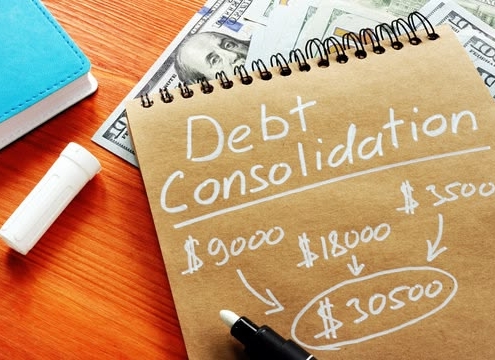 https://goqualifi.com/wp-content/uploads/2026/08/4df9b60b67d7805e798d93f47abf9360.jpg
360
540
faras@brandmaximise.com
https://goqualifi.com/wp-content/uploads/2024/01/qualifi-new-logo-300x106.jpg
faras@brandmaximise.com2026-08-18 08:00:002026-08-18 06:03:32Is a Debt Consolidation Loan a Good Idea for Your Business? An Honest Checklist
https://goqualifi.com/wp-content/uploads/2026/08/4df9b60b67d7805e798d93f47abf9360.jpg
360
540
faras@brandmaximise.com
https://goqualifi.com/wp-content/uploads/2024/01/qualifi-new-logo-300x106.jpg
faras@brandmaximise.com2026-08-18 08:00:002026-08-18 06:03:32Is a Debt Consolidation Loan a Good Idea for Your Business? An Honest Checklist https://goqualifi.com/wp-content/uploads/2026/08/0f950494e96b64de27f3cd07a724ea7d.jpg
667
1000
faras@brandmaximise.com
https://goqualifi.com/wp-content/uploads/2024/01/qualifi-new-logo-300x106.jpg
faras@brandmaximise.com2026-08-17 10:00:002026-08-17 05:50:22How to Consolidate Debt Without Tanking Your Credit Score
https://goqualifi.com/wp-content/uploads/2026/08/0f950494e96b64de27f3cd07a724ea7d.jpg
667
1000
faras@brandmaximise.com
https://goqualifi.com/wp-content/uploads/2024/01/qualifi-new-logo-300x106.jpg
faras@brandmaximise.com2026-08-17 10:00:002026-08-17 05:50:22How to Consolidate Debt Without Tanking Your Credit Score https://goqualifi.com/wp-content/uploads/2026/08/9b872d2bcdca15800bde5bd95a700f5c.jpg
801
1200
faras@brandmaximise.com
https://goqualifi.com/wp-content/uploads/2024/01/qualifi-new-logo-300x106.jpg
faras@brandmaximise.com2026-08-17 08:00:002026-08-17 05:37:07‘How Much Can I Borrow?’ The 3 Numbers Lenders Use to Decide
https://goqualifi.com/wp-content/uploads/2026/08/9b872d2bcdca15800bde5bd95a700f5c.jpg
801
1200
faras@brandmaximise.com
https://goqualifi.com/wp-content/uploads/2024/01/qualifi-new-logo-300x106.jpg
faras@brandmaximise.com2026-08-17 08:00:002026-08-17 05:37:07‘How Much Can I Borrow?’ The 3 Numbers Lenders Use to Decide